
Start with one small scene you can finish. Choose pages or a vertical scroll for your readers, and test rough panels before you polish the art. Prefer to practice drawing first? Make a short panel exercise instead. Then pick the drawing, storytelling, page-making, or Webtoon guide that matches where you're stuck.
Where should you start making manga? Pick your route
Begin with the skill you can use now. A story writer, an illustrator, and someone new to both crafts come to manga from different directions.
One story-focused beginner on r/Mangamakers posted: “I'm just lost and I feel like it should be obvious but I just don't have a clue?”
| Your starting point | First thing to make | Next guide |
|---|---|---|
| You have a story but limited drawing skills | A short scene description and rough boxes showing its actions | Storytelling, for beats and dialogue |
| You draw but have no interest in writing a long plot yet | A short sequence of expressions or actions across panels | Page Making, for sequential drawing |
| You are new to writing and drawing | A tiny event with simple recognizable shapes and an ending | Drawing, for basic character practice |
| You already have a rough comic sample | The same sample redrawn so the panel order is clear | Page Making, for panel flow and lettering |
Pick the row closest to your situation and open its guide. If you plan a vertical-scroll comic, the format comparison below shows when the Webtoon guide fits better.
Make the first project small enough to finish
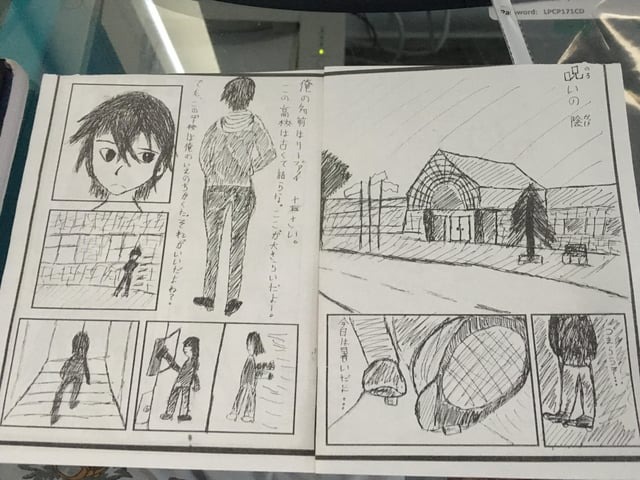
Give your first project a clear ending. One short scene lets you practice a full run of events without solving the plot of a bigger story.
Someone carries a cup through a door. Across four panels, the character approaches, struggles with the handle, spills the drink, and reacts. That is a start, a change, and an end. It gives you action, expression, and timing to practice in a small space.
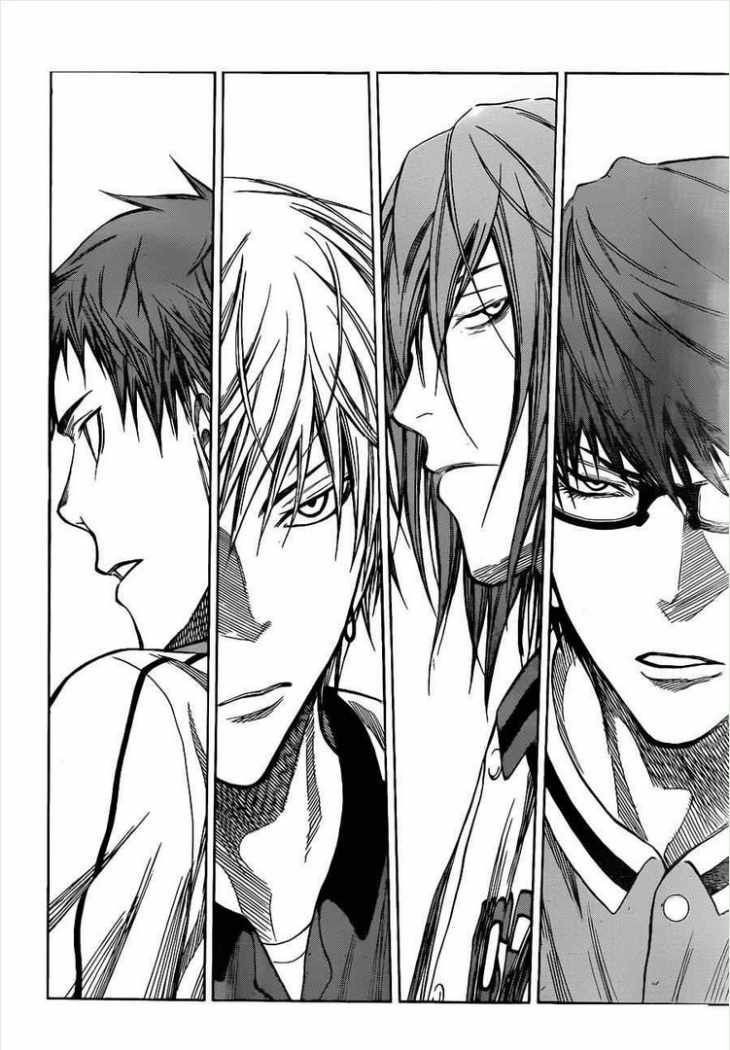
Your first piece takes one of four shapes:
- Practice sequence. It tests whether a viewer can follow an action, even without a full dramatic arc.
- Four-panel comic or 4-koma. It fits a short setup and payoff into a defined visual structure.
- One-shot. It tells a self-contained story.
- Ongoing series. It develops characters or events across installments. A practice piece lets you explore its visual language.
One artist on r/Mangamakers asked: “What do I do if I just want to draw manga, but not write it?” Such an exercise counts as a finished piece.
Professional submissions have their own rules. The VIZ submission guidelines list 20 to 50 pages for one one-shot category. Your practice comic has no required length.
Write one sentence that says when your first piece is done, for example “Someone unfamiliar with the story can follow this scene through my rough panels.” Then list what the piece leaves out, such as an elaborate backstory, additional characters, or the next chapter.
Understand the manga-making process before you draw finished pages
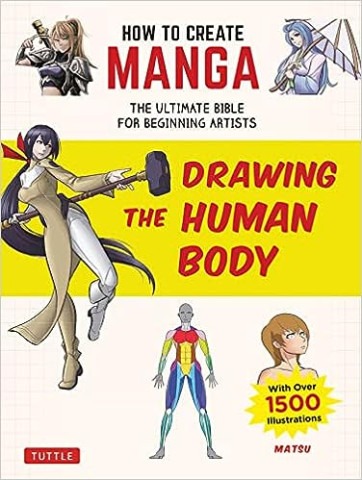
Manga work follows the stages below, and a quick exercise uses a simpler version.
VIZ's Manga Creation 101 shows outlines, character designs, thumbnails, pencils, inks, tones, and lettering as steps in its production workflow.
- Premise and characters. Decide who appears, what they want, and what changes.
- Story beats and dialogue. List the actions the reader needs to see and the words the exchange needs.
- Thumbnails. Sketch small boxes that set the order of events and a rough composition.
- Rough art. Draw the figures, expressions, and relevant surroundings inside each box.
- Finishing and lettering. Refine the artwork with suitable lines or tones, then position the text for the reading order.
- Output preparation. Prepare your pages or scrolling artwork for the format readers will use.
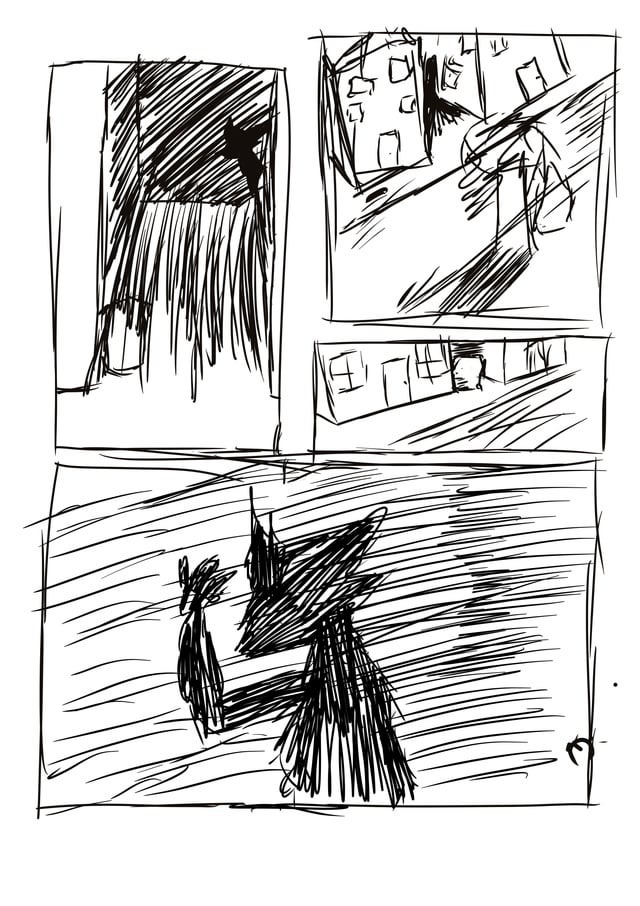
In a scene where one character hands another a folded note, the thumbnails need only show the approach, the handoff, and the recipient's reaction. The finished version adds clothing, facial details, and the setting.
In a VIZ newsletter dated September 30, 2026, editor Hisashi Sasaki said readable thumbnails matter during editorial review because they let an editor evaluate the sequence before finished pages are produced.
Draw a strip of thumbnails with one box per necessary story beat, and keep the drawings quick. The complete manga-making guide covers each stage in detail.
Make the action readable from panel to panel
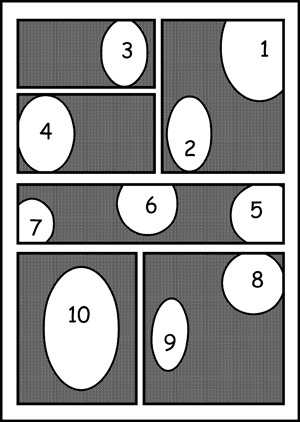
Each panel holds one moment. The gutter between panels separates the moments and lets the reader connect them.
In three panels, a character reaches for a door, the latch releases, and the door opens. Cut the middle panel and the reader loses the movement. More detail on the coat won't bring it back.
Speech balloons set another reading path. A reply that sits before its question confuses the exchange, even when the panels are in order.
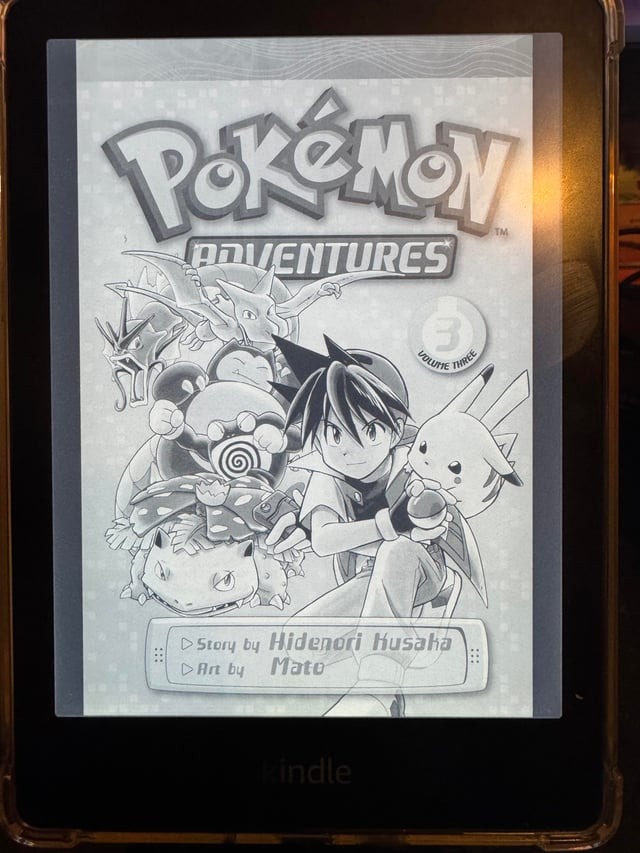
Direction is part of the design, and it follows the work and where it will be read. A right-to-left page needs its panels and dialogue ordered that way, and a left-to-right layout needs a consistent path of its own.
Choose manga pages or a scrolling Webtoon before polishing art
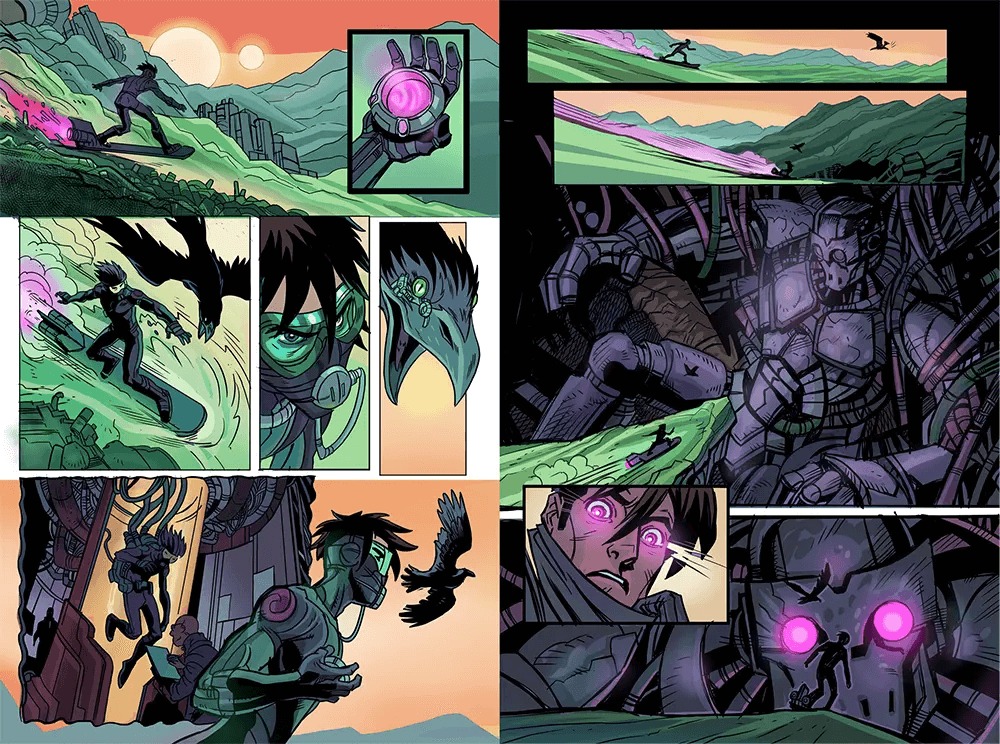
Page-based manga shows panels together on a page, while a vertical-scroll comic reveals them as the reader moves down the screen.
A creator comparing formats on r/Mangamakers said, “A printed format is more flexible, but a scroller is definitely more friendly on a phone.”
| Decision | Page-based manga | Vertical-scroll Webtoon |
|---|---|---|
| What the reader sees | Composed pages | Continuous scrolling sequence |
| What you control | Panel relationships, page boundaries, and what is visible together on a page | Vertical spacing, the timing of reveals, and what enters the screen next |
| Changing the format | A page layout has to be redrawn as a scroll | A scroll has to be cut into pages |
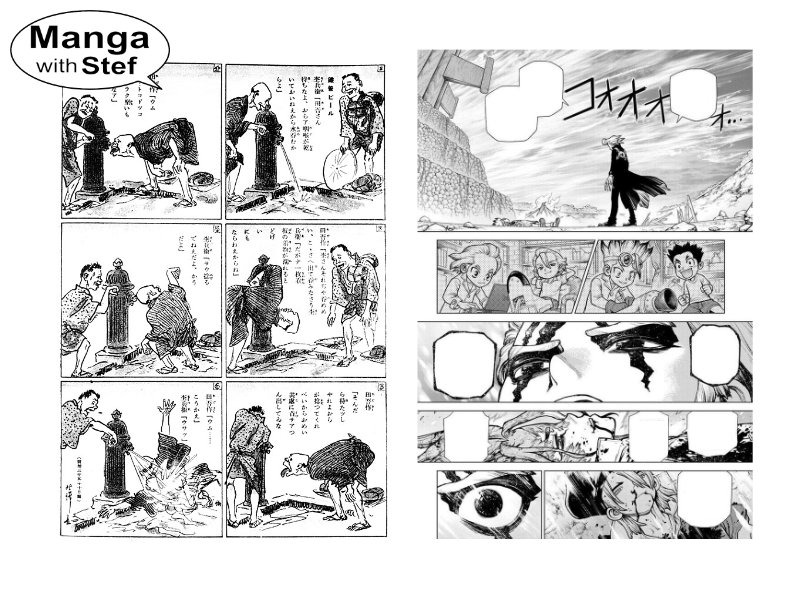
Return to the folded-note scene. On a page, you could give the recipient's surprised expression a large panel near the bottom. In a scroll, you could leave a stretch of space so the expression appears only after the handoff has disappeared from view.
Decide whether you're making pages or phone scrolling, then refine the layout for that format. The Webtoon guide covers the scrolling workflow.
Use the drawing tools you already have
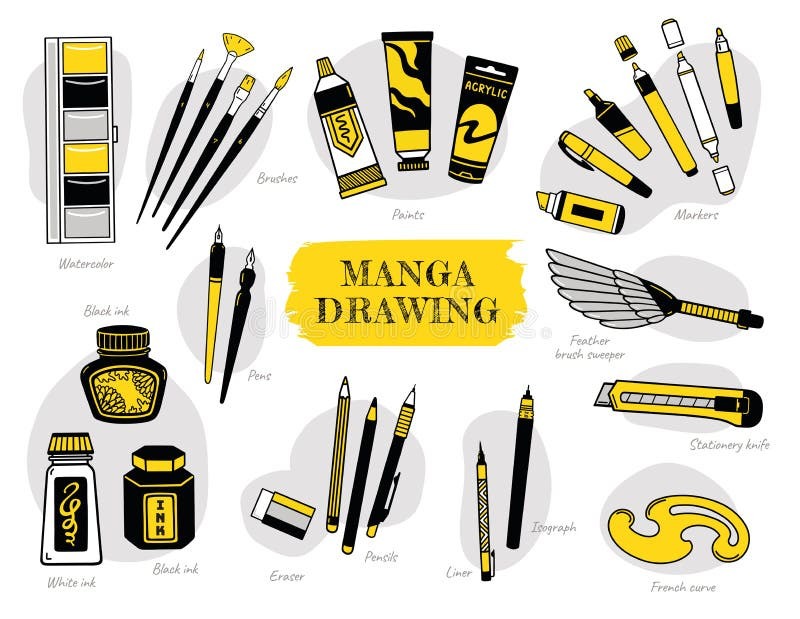
Paper and pencil are enough for rough scenes, panel boxes, and planning sketches. Digital tools help later. MediBang Paint's documentation covers comic templates, panel division, and typesetting. Clip Studio Paint describes panel production and export. Before you switch setups, work out whether your current materials can make what you plan to make next. Print and platform releases need output files that a paper sketch cannot supply directly, and the Tools guide helps you choose software and equipment by task.
What if you cannot draw manga yet?
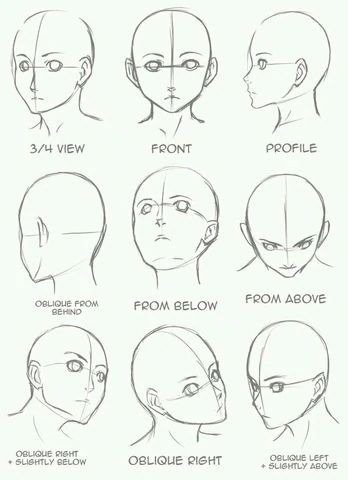
You can practice sequential action while you are still learning to draw. Simple figures are enough, because the exercise only has to show an event unfolding.
With pencil and paper, draw the same original character in three poses: picking up a phone, reading the message, and reacting to it. Keep a recognizable head shape and a few identifying details while you change the posture. You will see whether the character stays recognizable in motion.
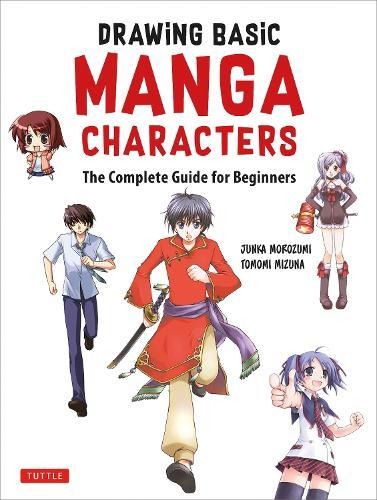
If a pose is hard to read, simplify the gesture and the continuity problem becomes easier to see. Anatomy, perspective, and detailed character construction get their own practice sessions in the Drawing guide.
What comes after your first finished manga pages?
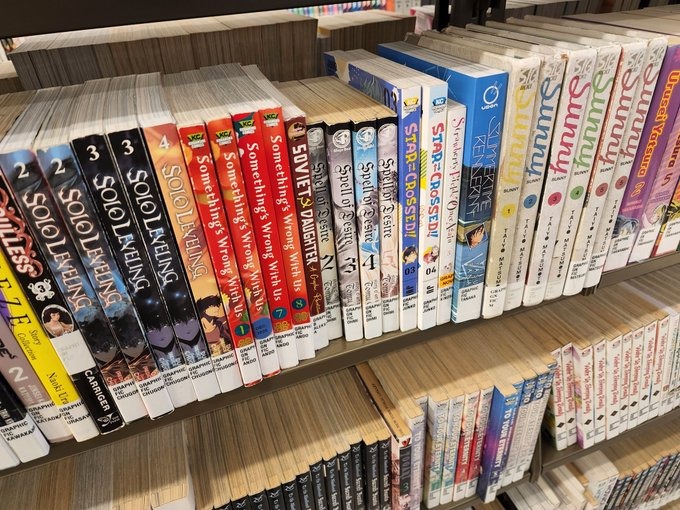
Reader feedback, creator-platform posting, and professional submission each lead to a different next step.
| Destination | Main purpose | Check first |
|---|---|---|
| Readers or a critique group | Find out whether the sequence communicates | What kind of feedback you want |
| Creator-publishing platform | Share a finished work through an established service | Episode files, series details, and publishing rules |
| Professional editorial submission | Present work for possible editorial consideration | The manuscript rules and eligibility conditions of your chosen program |
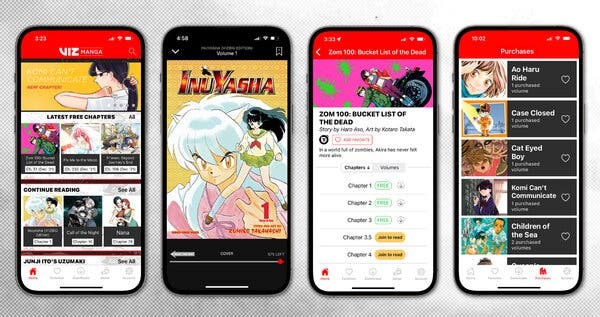
The WEBTOON CANVAS publishing guide separates series information, thumbnails, episode artwork, and preview steps. Uploading takes more than finished drawings.
Kodansha Manga Academy describes opportunities for overseas creators to work with editors online, subject to editorial review. Posting or submitting guarantees no audience, no editorial agreement, and no serialization.
Read the official instructions for your route before you prepare an upload or pitch. The Publishing guide compares the routes.