No route is best for every manga, so match it to what you've finished. Post chapters on a comics platform to release them yourself, send a one-shot or series pitch to a publisher, or prepare an ebook or printed edition if you want a book to sell. Look at the reading format, your budget, and the rights you can grant, then complete that route's submission, upload, or print-proof step.
Maybe you have a finished one-shot, a few chapters of a longer story, or a volume you plan to sell at a convention. The art is ready, but you haven't settled how to publish it. An editor, a digital platform, and a printer each ask for different things: submission materials, reader-ready pages, and print files.
Choose a publishing route based on your goal
Start with what you want this manga to do. The table shows what each route needs and when to wait.
| Route | Best fit | Skip it if |
|---|---|---|
| Digital comics platform | You have readable chapters or a one-shot and want to release them yourself. | Your files or content don't meet the host's format and policy rules. |
| Professional publisher submission | You want an editor to consider a finished one-shot or series proposal. | You're missing the required sample pages, story materials, or an eligible submission route. |
| Ebook or print-on-demand | You have a completed volume and want a book readers can buy. | You can't prepare the edition in the distributor's accepted format. |
| Commissioned print run | You plan to sell or distribute a set number of physical copies. | Manufacturing, storage, and delivery are more than you can handle. |
| Crowdfunding | You need financing for a defined comic or printing project. | You can't show what backers will receive or budget for delivering it. |
If you've finished a 24-page one-shot and want feedback, publish it digitally. If you have sequential sample pages and a series outline, prepare a publisher pitch. If you're preparing convention stock, you're making a printing decision.
Write one sentence naming the outcome you want, and note whether you have a chapter, a completed one-shot, a series proposal, or a finished volume. That pair points you to one route to evaluate. Publishing doesn't guarantee readers, acceptance by an editor, or sales.
Submit a one-shot or series pitch to a manga publisher
A submission asks a publisher to evaluate your project. It's a selection process, so your pages must meet the program's requirements before an editor will look at them.
Here are VIZ's requirements for creators in the United States.
| VIZ submission material | Requirement |
|---|---|
| One-shot | 20 to 50 pages; completed work preferred |
| VIZ Originals series sample | At least 10 sequential black-and-white manga pages |
| Series pitch package | Series summary and outline, with other character, audience, and creator materials recommended |
For one-shots, VIZ also considers work in progress or thumbnails if you include an inked character design. A finished 22-page one-shot fits the 20 to 50 page range. Ten sequential pages with no outline is not yet a full series pitch package.
These are the VIZ submission guidelines. Other publishers set their own requirements.
Kodansha's Manga Academy describes another professional path: you meet an editor, refine the story and its name (manga storyboard), seek an editorial greenlight, and then pursue serialization. Working with an editor is a development stage, and the serialization decision comes later.
Put together the package the program asks for: sequential pages, story summary, outline, and creator information. Make sure it matches the submission category and its eligibility rules before you send it. If your one-shot isn't finished yet, start with planning a complete one-shot.
Put your manga online where its format fits
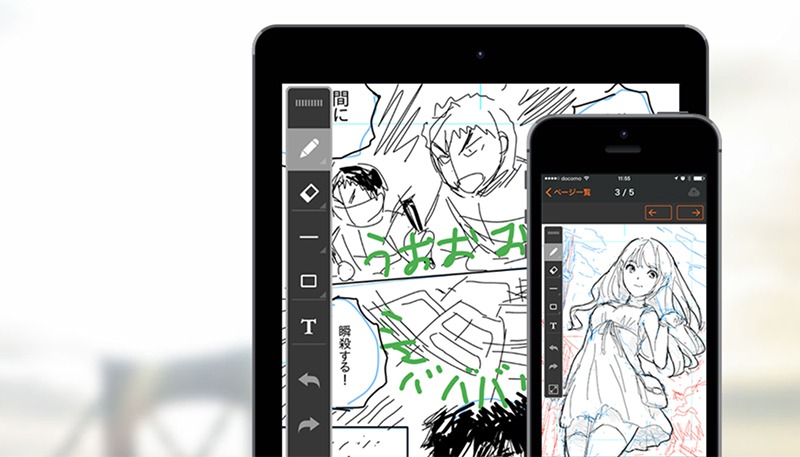
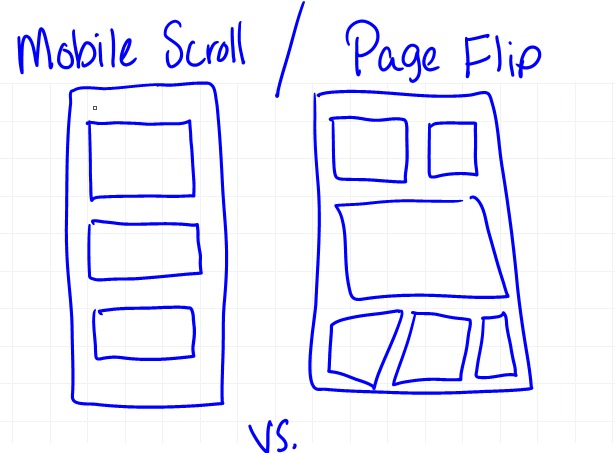
Self-publishing online means posting finished chapters on a service that supports the way your comic is built to be read. The main format choice is page-by-page manga or continuous vertical-scroll episodes.
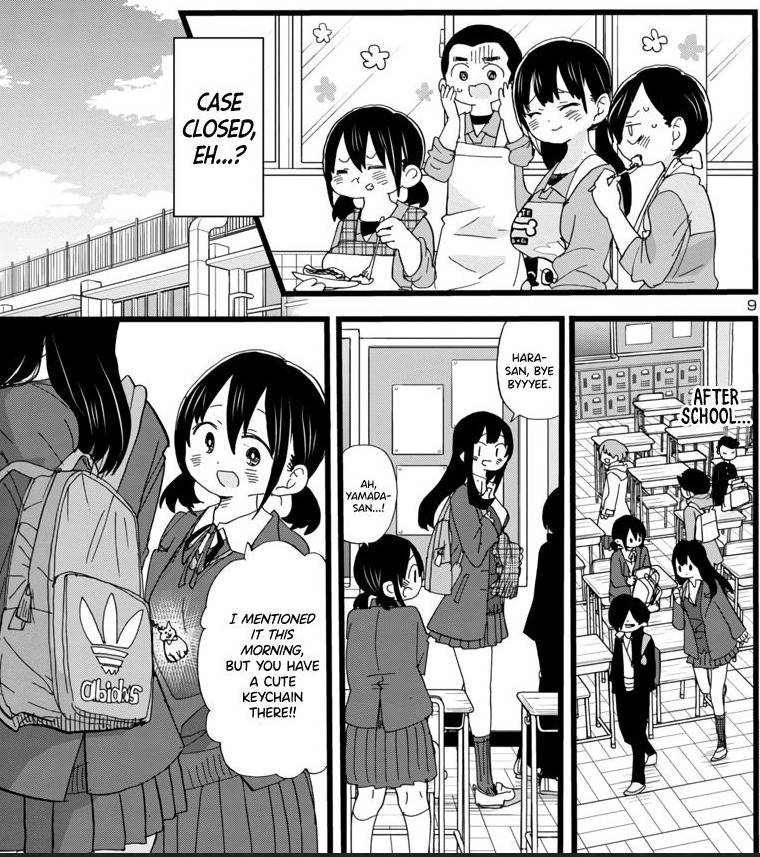
Page-based work can rely on spreads and a right-to-left page sequence. Vertical scrolling uses screen height for pacing, spacing, and reveals. Converting finished page artwork to scrolling episodes often needs a new layout.
GlobalComix supports traditional page layouts and vertical scrolling. Its creator tools cover uploading, scheduling, digital downloads, subscriptions, and donations.
MANGA Plus Creators by SHUEISHA accepts original submissions through creator accounts. Its FAQ also allows work published elsewhere, as long as existing agreements and other parties' rights permit cross-posting.
The MANGA Plus Creators FAQ allows up to 100 pages per submission and 5 MB per JPG or PNG file. To switch a published episode between horizontal and vertical reading, you must delete and repost it. The FAQ says this resets views, likes, favorites, and badges.
Before you go public, open one sample page or episode in the platform's reader and confirm the orientation and accepted file types. Once you've picked a format, see the comparison of online manga platforms. If you chose scrolling, see posting a vertical-scroll series.
Prepare your manga for ebook and print publication
A file that reads well on a phone can fail when printed. A paperback has a final cut edge, a binding, and a cover file of its own. An ebook has its own display and export requirements, which depend on the format and distributor you choose.
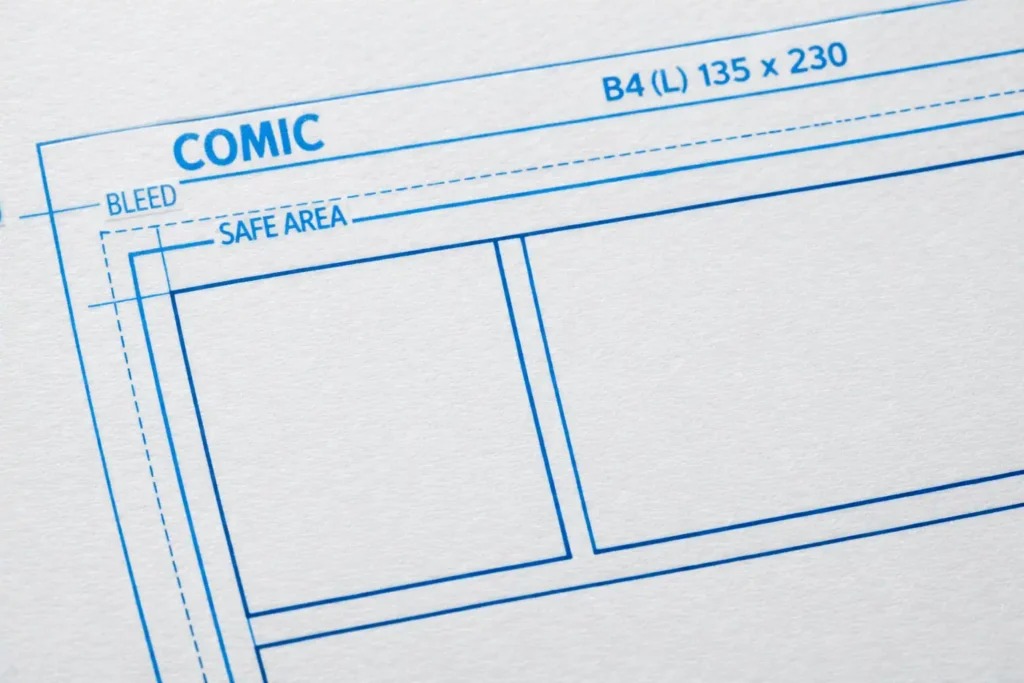
Trim size is the page's finished dimension after cutting. Bleed extends edge artwork past that cut so no white borders show. Keep speech balloons and important drawing details away from the cut and binding areas.
The Amazon KDP paperback guidelines list these requirements. Other printers can ask for different files or dimensions.
| KDP paperback item | Requirement |
|---|---|
| Interior images | At least 300 DPI |
| Interior full bleed | 0.125 inch (3.2 mm) beyond the top, bottom, and outer trim edges |
| Cover bleed | 0.125 inch on all sides |
| Interior files | Single pages, so prepare facing-page spreads as individual pages; a bleed manuscript must be submitted as a PDF |
| Spine text | Only when the book exceeds 79 pages |
For an interior with full bleed, the PDF page is 0.25 inch taller and 0.125 inch wider than the trim size you select.
A self-publisher in r/selfpublish described a cover that passed as an ebook but got rejected over and over as a paperback:
Rejected: cover must have your title on the front or spine.
But the eBook went through just fine. I'll try again.
Rejected: book is too short for spine text.
Ahhh it's my book, let me give it the cover I want! Comply and put the title on the front.
A 64-page KDP paperback is too short for spine text, so the title goes on the front cover.
Language can change your choice of printer, too. KDP says its right-to-left paperback printing supports Hebrew, Yiddish, and Japanese. An English-language manga that must open and paginate right to left isn't covered. Another printer or an adapted edition may suit that project.
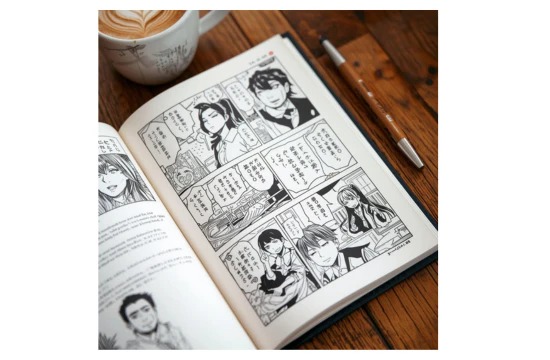
Whichever you choose, get the provider's template, prepare a test interior page and a complete cover, then review the digital preview and, for print, a physical proof. For measurements, see the manga page size and bleed guide.
Check rights and exclusivity before you publish
A company can distribute your manga without owning it. Under US copyright principles, original expression receives protection once fixed in tangible form. Registration adds legal consequences, including for enforcement. Posting work publicly and publication in the legal sense aren't the same thing.
MANGA Plus Creators describes an arrangement where you keep your intellectual-property rights and grant the platform a nonexclusive license for specified service uses. A negotiated publisher agreement can instead define rights by territory, language, edition, duration, and other uses.
Amazon's optional KDP Select program is an example of exclusivity: an enrolled ebook is subject to digital distribution exclusivity during the enrollment period, while physical editions are not prohibited. You can publish through regular KDP without enrolling in KDP Select.
Before you accept a publishing agreement, read the rights grant, exclusivity, territory, duration, payment, and termination terms. If the contract covers valuable rights, get a lawyer to review it. For more, see the manga rights and contracts guide.
Budget for printing and crowdfunding
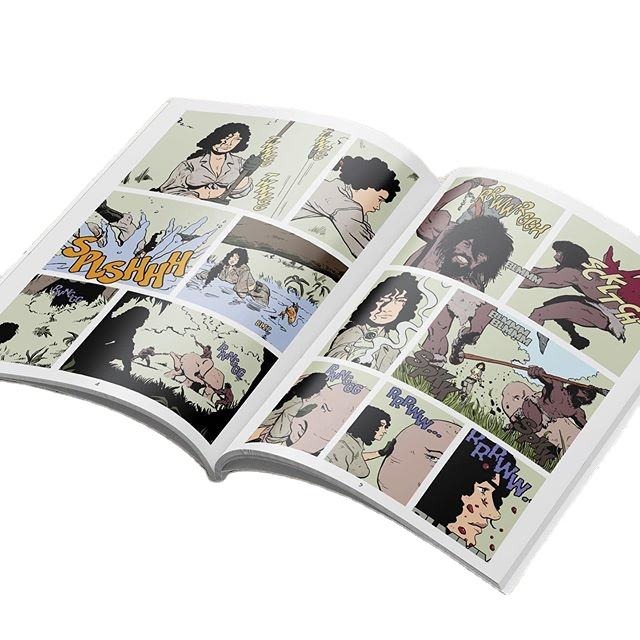
A digital creator platform avoids an upfront manufacturing bill. Print-on-demand produces books against orders. Commissioned runs and crowdfunding rewards can create inventory, payment, and shipping obligations, and an independent print order can require storage.
| Cost | When it arises | What belongs in the estimate |
|---|---|---|
| Art, lettering, finishing | Before release | Any work you must commission or complete |
| Formatting and proofing | Before print approval | File preparation, samples, revisions |
| Manufacturing | At printing or fulfillment | Copies and possible replacement copies |
| Packaging and shipping | At delivery | Materials, postage, handling |
| Platform and payment fees | When processing sales or pledges | The charges for the service you choose |
| Contingency and taxes | Throughout the project | Unexpected expenses and any taxes that apply |
A creator replying to a failed Kickstarter campaign described how their own second attempt turned out.
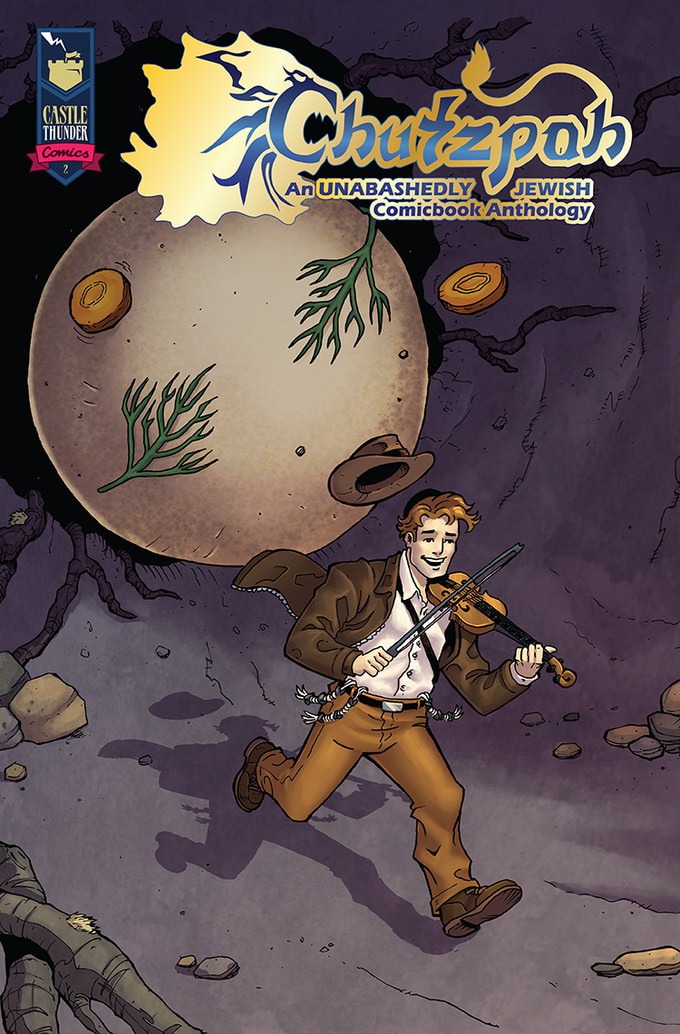
Don’t take it too much to heart, my first kickstarter failed. We relaunched with a smaller goal and are fully funded with about 2 weeks left to go. One reason yours may have failed is it isn’t clear what the funds were for, we ran ours for printing costs, and we were detailed in what was done, what still needed doing, and had lots of pictures of the finished pages in the campaign so all the info was on the campaign page so traffic wasn’t diverted off kickstarter, out of sight out of mind.
And promotion/networking is crucial. ... I was lucky my partner in the comic is a natural born salesman and promoed the heck out of the kickstarter and networked too.
Four things stand out in that reply: a smaller goal, a clear printing purpose, finished pages on the campaign page, and active promotion.
Plan for takedowns and platform changes
A platform's content restrictions can hit a finished comic after you've spent months making it. Its rules on violent or sexual material, upload behavior, and account access decide whether it suits your story.
A manga creator described having a finished one-shot removed after three months of work:
So, I spent three months drawing this one shot, day in day out thinking my art is trash and my story is mid. I eventually published it and it got taken down off a few sites for violence, so I reuploaded them elsewhere.
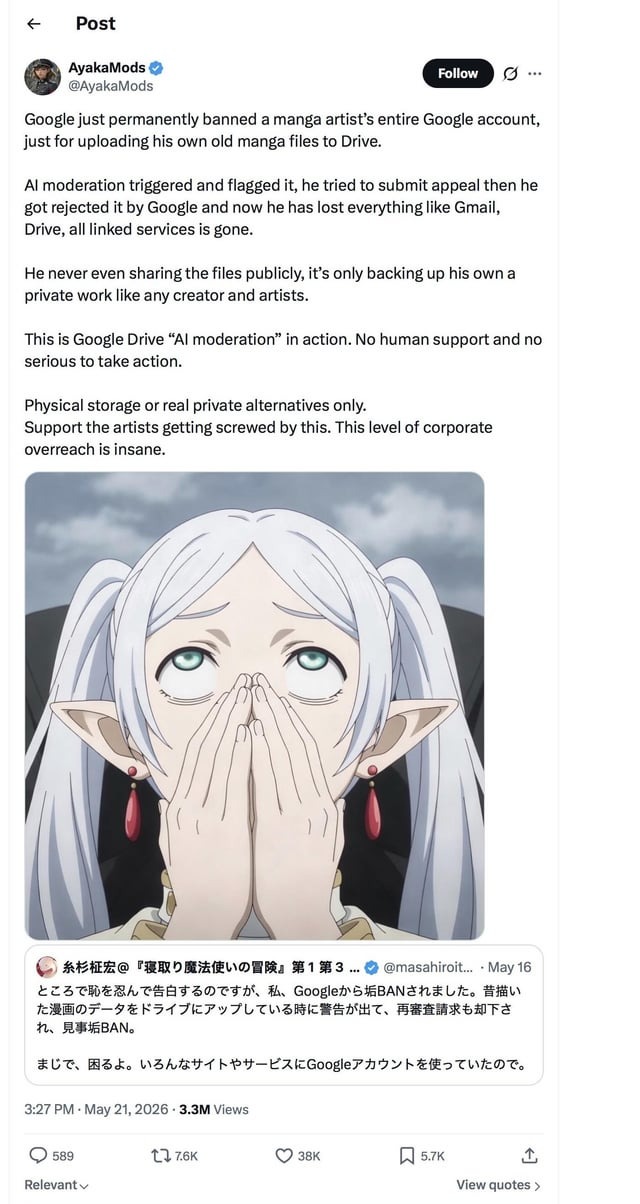
Platforms can close, too. In its end-of-service announcement, Tapas scheduled its closure for March 31, 2027, at 11:59 p.m. Pacific Time. If your series will run past that date, publish it somewhere that will still be running.
Keep editable art masters and your own copies of finished episodes. Read the host's content rules, and keep a fallback publishing or contact address that you control. A personal website can serve as that address.
Confirm readiness before your next step
Your route is ready when your pages or pitch are complete, the service accepts the reading format, your rights allow the planned use, and you can meet the production and delivery obligations. If one of these fails, resolve it before you commit money or publish.