To learn manga drawing, start with a simple character built from basic shapes. Add gesture and proportions, then work on style choices. Study references and redraw the character in a new pose or from a new angle. If the form is wrong or the character stops looking the same, practice that weak skill next. When the drawing holds up, try a small manga scene. Pencil and paper are enough to begin.
Choose your first manga drawing skill
The first step in learning to draw manga is identifying what your drawings need. Someone who has never constructed a head faces a different problem from an artist who can copy a favorite character beautifully but can't draw that character turning around.
Start with a quick sketch of a manga character, using a reference if you need one. Give yourself enough room to show the head and at least some of the body. Leave the drawing rough. You want to see how you handle shapes and pose before polished lines make those choices harder to check.
| What you notice | Skill to begin with | Exercise |
|---|---|---|
| The head looks flat or distorted when turned | Building the head from 3D shapes | Front and three-quarter head sketches |
| The figure looks stiff even with detailed clothing | Gesture and body proportions | Two versions of a reaching pose |
| Your copies look convincing but your independent drawings don't | Studying a reference and changing it | Copy it, then change it |
| The character changes appearance between drawings | Key features and silhouette that stay fixed | Three-view character check |
| The drawing has structure but lacks the visual style you want | Style choices | Two looks for the same head |
If you already draw digitally, the same principles apply. Pick software when a specific drawing task calls for it.
When several things look wrong: Fix the weakness that affects the largest part of the image. Don't adjust the eyelashes on a head that points the wrong way until its basic shape is right.
Construct a manga head that can turn
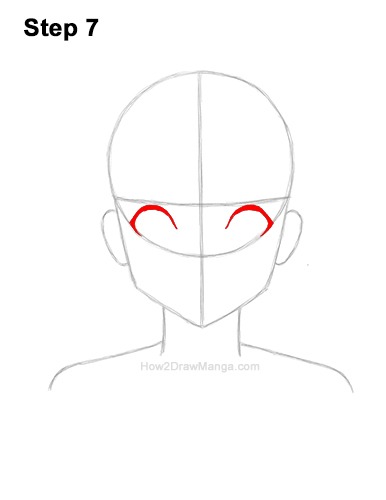
A convincing manga head starts as a 3D shape that can rotate in space. Light construction lines set its direction and proportions before the eyes and hair go in.
For a face turned slightly left, work in this order:
- Draw the cranium. Sketch a light oval or sphere for the upper head and show its tilt before you add the jaw.
- Add the center line. Draw it so it follows the rounded surface. As the head turns, the line shifts across the visible shape and shows which side is closer to the viewer.
- Attach the jaw and features. Put the jaw beneath the cranium, then use light guides to place the eyes, nose and mouth around the direction you chose.
In a three-quarter view, the near side of the face looks different from the far side. The eyes and the visible jaw outline change as the head turns. Keeping the front-view layout makes the face look flat or twisted.
The same shapes work for the body. A circle becomes the outline of a sphere, a rectangle the face of a box, and an elongated shape a cylinder. Use them for the neck, torso or limbs when the figure turns.
AnimeOutline's beginner drawing guide shows the value of light construction marks, big shapes before small details, and imagining the hidden parts of an object. Hair, for example, covers part of the cranium, but the head underneath still determines its overall shape.
Turn the head
Draw one original head facing forward, then build a three-quarter version with the center line rotated. Keep both sketches at the same level of finish.
Compare the head shape and the jaw direction, then see where the features sit. When the second drawing looks warped, lightly trace the basic shapes over your sketch. You'll see whether the problem starts with the head shape or with a feature that doesn't follow the center line. Proportions vary by artist and by character, so build inside the ones you've chosen.
Faces from other angles get their own guide: drawing manga faces from different angles.
Give poses movement before finishing the outline
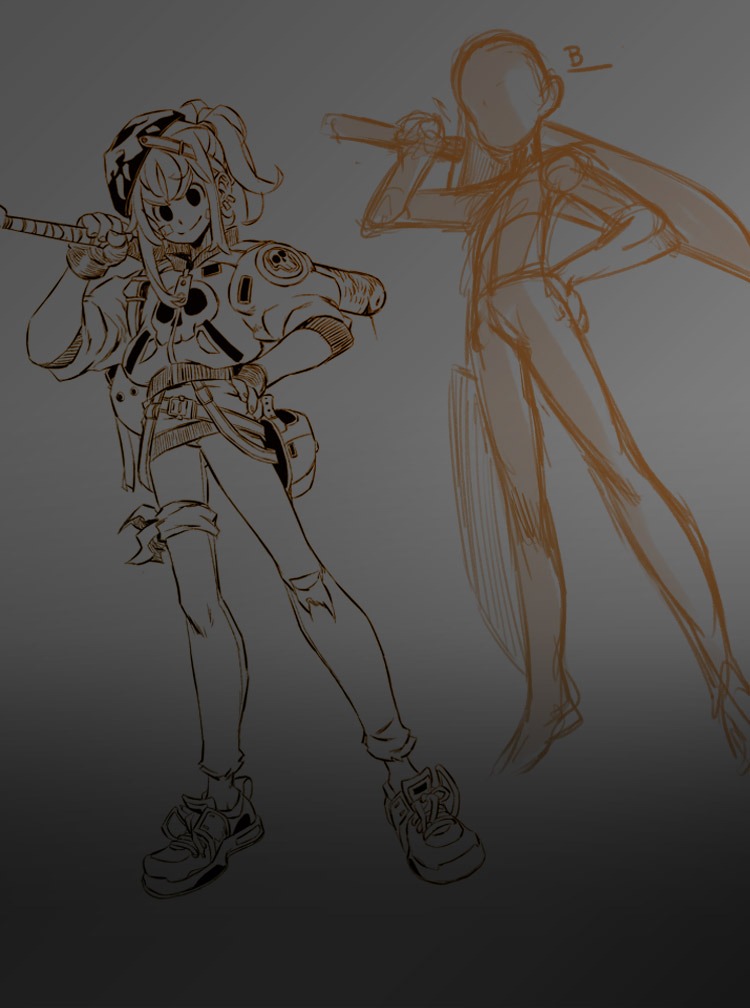
A stiff manga pose needs a clearer gesture before it needs more anatomical detail. Gesture is the movement and rhythm that connect the parts of a figure. The contour is the visible edge of those parts.
In Proko's gesture lesson, Stan Prokopenko explains the difference with quick sketches that follow the flow of the pose. A curve running through the spine and toward a reaching arm shows movement before the limbs are finished.
A character stretches around a corner to catch something. The reaching arm only reads if the shoulders, torso and hips lean the same way.
Start with the dominant movement. Then build the body around it with simple shapes for the rib cage and pelvis and cylinders or other basic shapes for the limbs.
| Drawing element | What it gives you | What to check |
|---|---|---|
| Gesture and line of action | Overall direction and rhythm | Does the pose show its movement? |
| Simple body shapes | Thickness of the torso, pelvis and limbs | Do the parts fit together in 3D? |
| Proportions and anatomy | How body parts relate to each other | Do the joints and lengths make sense in the pose? |
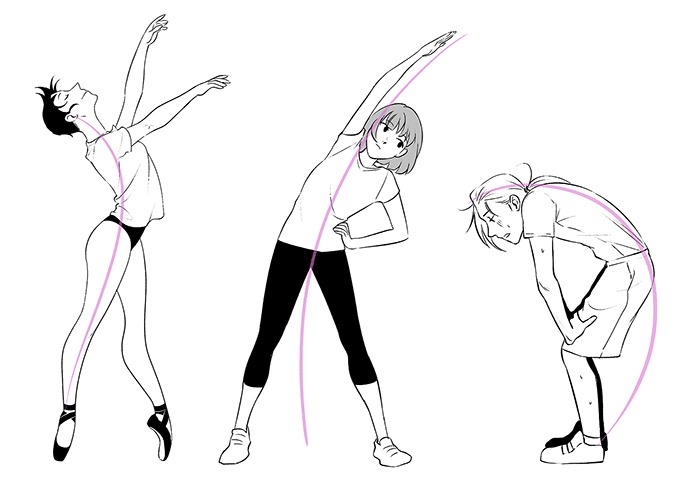
Two takes on one pose
Make two rough sketches of the same reaching character. In the first, focus on the outer contours you see in a reference. In the second, start with the line of action and broad torso and pelvis shapes.
Shrink both drawings to a small size. Which one still shows the reach before you can make out clothing folds, fingers or facial expression?
Movement reads but the limbs still look awkward? Work on manga body proportions. For more elaborate movement and foreshortening, try manga action poses.
Choose the features that make a drawing feel manga-like
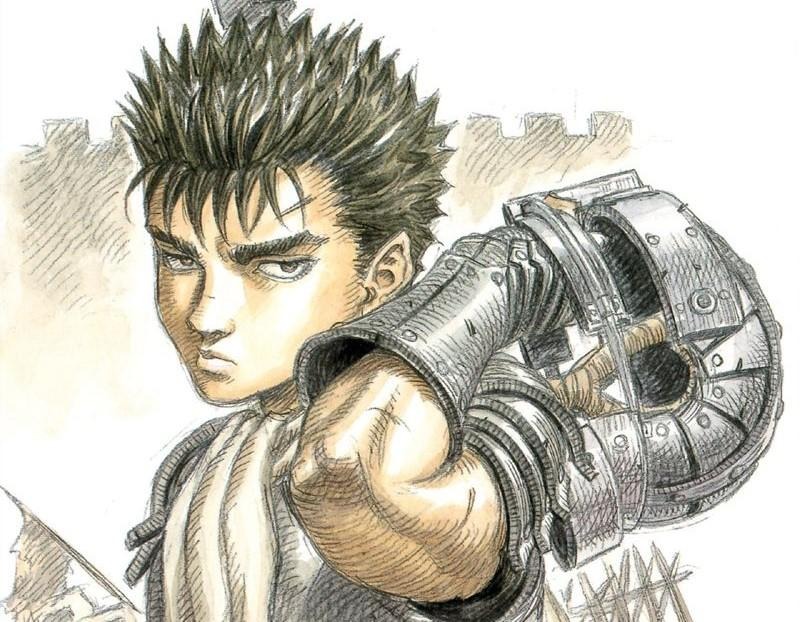
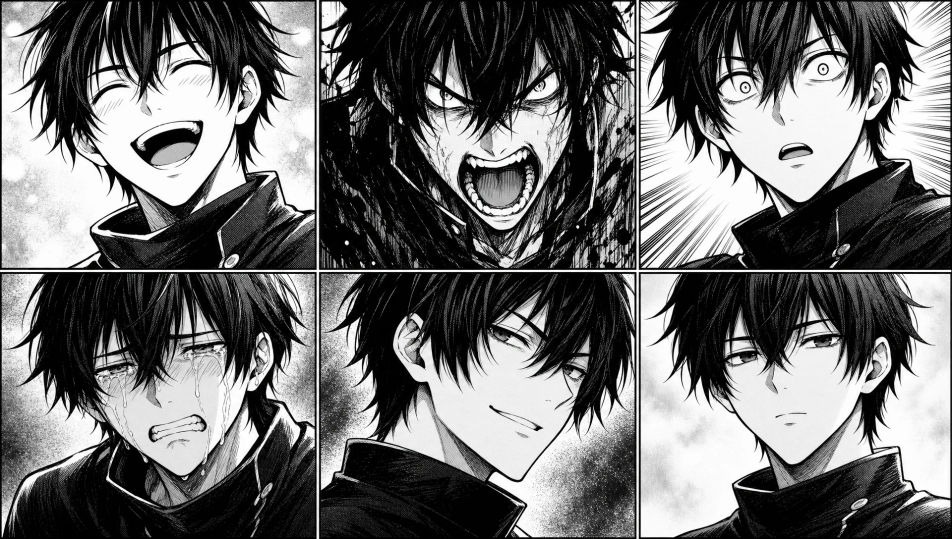
Manga is a comics medium with many drawing styles. Eye shape, jaw contour, hair silhouette, expression and line weight are choices the artist makes.
A learner on r/learntodraw describes the problem: “When copying I can do the style fine but without copying the art style looks wrong.”
Draw two versions of your original head, keeping its orientation steady while you change two or three features. Then compare which choices produce the look you want. For more examples, see manga art styles.
Learn from a reference, then change it
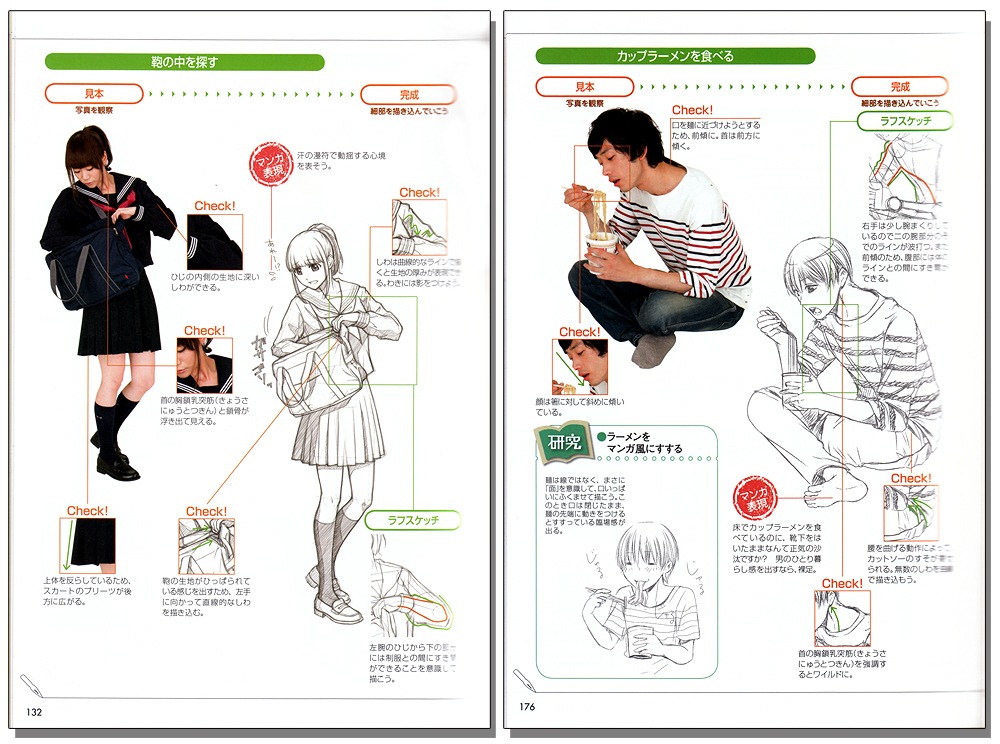
A reference teaches the most when you work out how the artist built the image. A copied contour shows that you can reproduce what's visible from one angle. Changing the figure tests whether you understand the shapes and design choices beneath it.
Copying, tracing, observation and independent design each serve a different purpose. Tracing works for private study of particular shapes. A drawing from an unseen angle forces more decisions about shape and placement.
Copy it, then change it
Use a reference you made or have permission to work from.
- Observe the structure. Find the big head and body shapes, the direction of the pose and two style choices worth studying, such as the jaw shape and the hair arrangement.
- Sketch the reference. Pay attention to how it's built, and keep your notes beside it so you can tell the basic shapes from decorative detail.
- Change the drawing. Put the original aside and draw a new three-quarter view, expression or gesture. Change it far enough that an exact copy can't supply every line.
- Compare and correct. Set your sketch beside the changed version. Find one shape or design choice that didn't carry over and draw a correction.
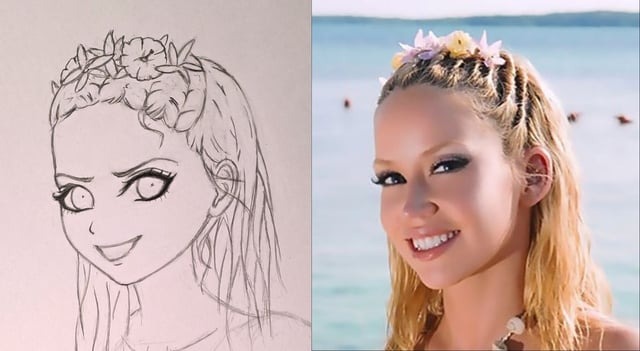
A common miss: the hair looks convincing in your sketch but sits pasted onto the face when the head turns. The correction is the cranium beneath the hair and the way the hair mass wraps around it.
Takeshi Okada and Kentaro Ishibashi studied how copying and prolonged observation of unfamiliar abstract artworks influenced subsequent creative drawings. In three experiments reported in Cognitive Science, those activities affected later work. See Okada and Ishibashi’s study.
Keep one character recognizable across views
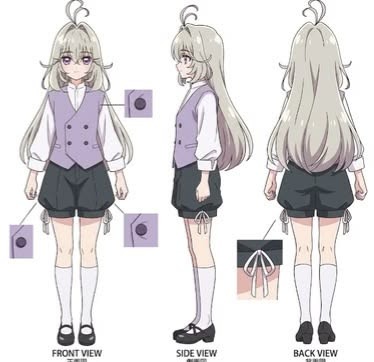
A recurring manga character has to look like the same person when the face turns, the expression changes or the features sit small in the panel. A creator on r/Mangamakers described the problem as “Making sure my characters still look like the same person in each panel.”
Track the details that set your character apart. Examples include a particular jaw silhouette, the relative position of the facial features, the shape of the hair mass and a signature accessory. Their shapes change with the viewpoint.
For example, a hairline with a clear shape shows in both the front and three-quarter views, and the profile reveals its outline from the side. The near eye and far eye can't keep their frontal shapes once the head turns. Each view has to respect the spatial layout of the character's design.
Keep a small reference sheet listing the features you'll repeat in every view. Clip Studio Paint's character-art guide discusses distinctive features, silhouettes and expressions as parts of making a character recognizable.
Three views, one character
Draw one original character from the front, from a three-quarter angle and in profile. Keep the head shape and hair consistent, along with a few key features, adjusted for each new angle.
Ask someone who hasn't watched you draw whether the three sketches show the same person. When the match is unclear, find the feature that changed most. Look especially for one that disappears without any replacement cue.
A full character design sheet also covers costume and expressions, along with personality-specific design choices. Those belong in the guide to original manga character design.
Decide when to move to a new drawing skill
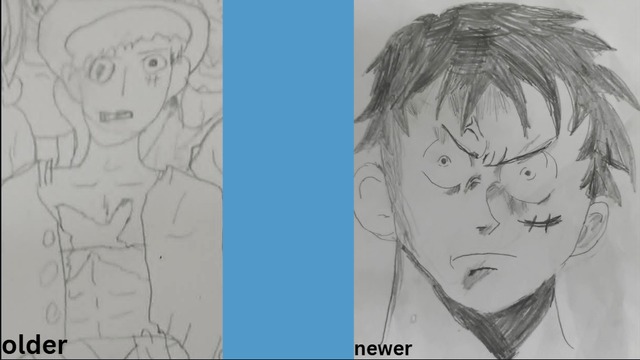
A lesson is done when its skill shows up in a drawing you've changed.
Compare an earlier practice drawing with a recent attempt at a similar task. Mark one improvement you can see, then test that skill on an unfamiliar angle or pose. When the improvement holds, move to the next weak area. If it disappears, repeat a focused variation before adding complexity.
If your gesture sketch shows the reach clearly but the arms look disconnected from the torso, that's a job for simple body shapes and proportion work. If the movement itself is hard to read, a fresh gesture sketch comes first.
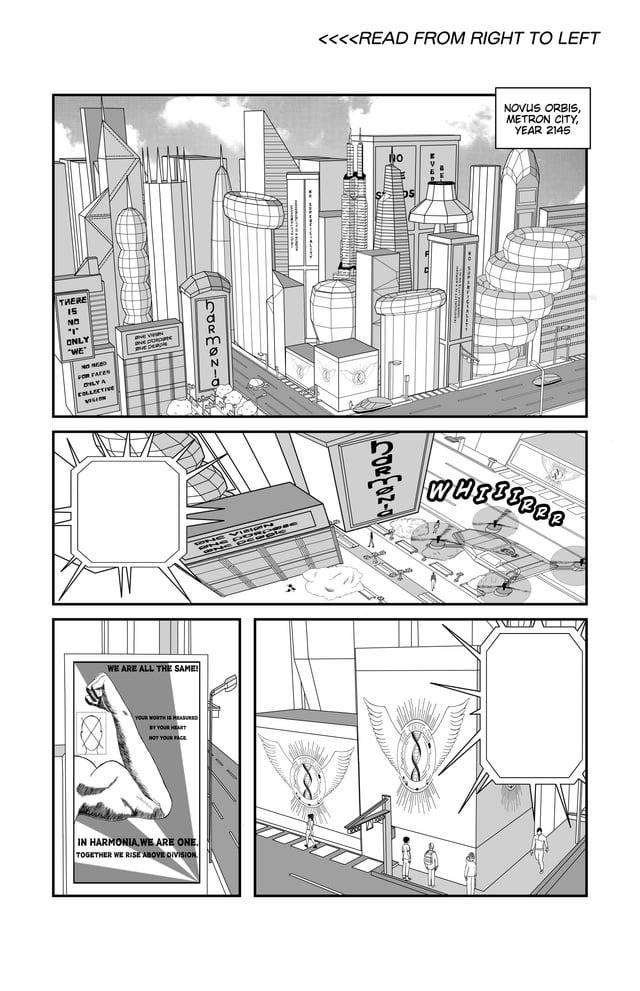
AnimeOutline's beginner guide suggests about 10 to 15 minutes for some basic line-and-shape drills.
Test your drawing in a simple manga scene
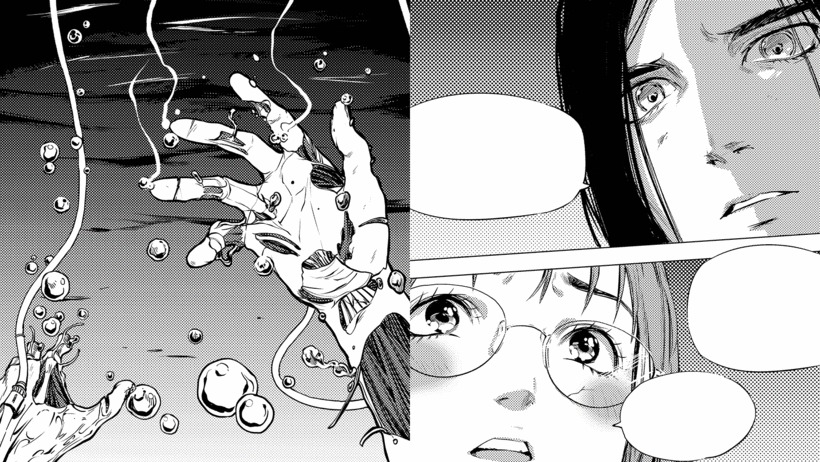
A manga scene has to show where a character stands and what changes as the action continues. Sketch three small thumbnails: an original character approaches a classroom door, reacts to something inside, then turns to speak. Keep the doorway or a desk visible, since even a rough setting cue helps the reader orient themselves.
Show the sequence to someone who doesn't know your plan. Can they tell who acts, what changes and where it happens? A confusing setting points to manga backgrounds. A confusing sequence points to manga panel layout.
When the scene reads well, you're ready to start making a complete manga.