For your first anime sketch, try a seated Totoro or a front-facing Pikachu if you like simple creature shapes. If you'd rather draw a human, Saitama's simplified comedic face is an easy choice. A favorite hero with complicated hair or an action pose gets easier as a straight-on portrait.
A character can look simple on screen until you put it on paper. The long ears look easy, but their angle changes the expression. Hair turns into overlapping spikes. Even a nearly blank face has proportions you can get wrong.
The trick is to pick one view first. A static portrait gives you a clear shape to build. A dramatic pose leaves you puzzling over limbs, clothing and perspective before the face is finished.
The easiest anime characters to draw: quick picks by starting view
| Character | Series | Starting view | Key features | Challenge to avoid |
|---|---|---|---|---|
| Totoro | My Neighbor Totoro | Seated, front-facing | Large rounded oval; triangular ears, broad belly | Complicated viewpoint |
| Pikachu | Pokémon | Static front view | Rounded body; dark-tipped ears, cheek circles, angular tail | Dynamic attack pose |
| Saitama | One-Punch Man | Simplified comedic face | Egg-shaped head; sparse eyes and mouth | Muscular action drawing |
| Shin-chan | Crayon Shin-chan | Front-facing head | Broad stylized shape; heavy brows, compact features | Distorting the proportions |
| Pochita | Chainsaw Man | Still side view | Small rounded body; chainsaw snout, pull cord | Overlapping mechanical details |
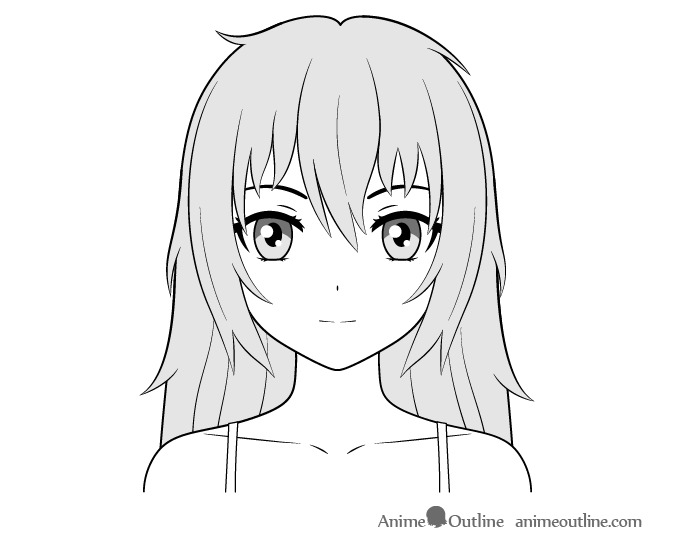
| Anya Forger | Spy x Family | Straight-on portrait | Rounded head; large eyes, pink hair, side ornaments | Uneven facial alignment |
A front-facing Pikachu with both ears showing is easy to set up. Mid-leap, with the body twisting and the tail crossing behind, it's a much harder drawing.
What makes an anime character easier to draw?
Your reference sets most of the difficulty. Large forms, a readable outer contour and a steady viewing angle make the drawing easier to organize before you reach the small details.
| Feature | Simpler reference | More demanding reference | What it changes |
|---|---|---|---|
| Base forms | One large oval and a few smaller forms | Many interlocking shapes | How many sizes you have to match |
| Silhouette | Recognizable outer shape | Identity depends on small inner details | How exact your lines must be |
| Head angle | Front-facing or modest turn | Strong tilt or foreshortening | Where the eyes sit and whether both sides match |
| Hair and props | One broad mass or one key accessory | Overlapping spikes, costume pieces | How many shapes you have to place |
| Pose | Seated, static, or cropped portrait | Twisting, leaping, fighting | How much body you have to build |
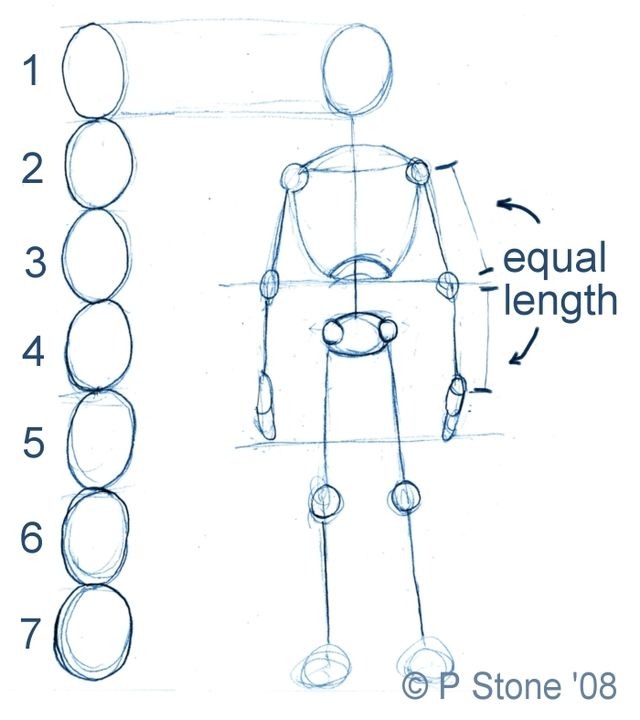
Drawing instructor Stan Prokopenko explains in Proko's simple-shapes lesson how simplifying a subject helps an artist judge proportions and remove distracting detail.
Compare a seated Totoro with Naruto in a dramatic fighting pose. Totoro is a broad body, ears and a belly. Naruto's pose requires angled limbs, overlapping clothes, a turned torso and grouped hair spikes.
Start with mascot shapes: Totoro, Pikachu and Pochita
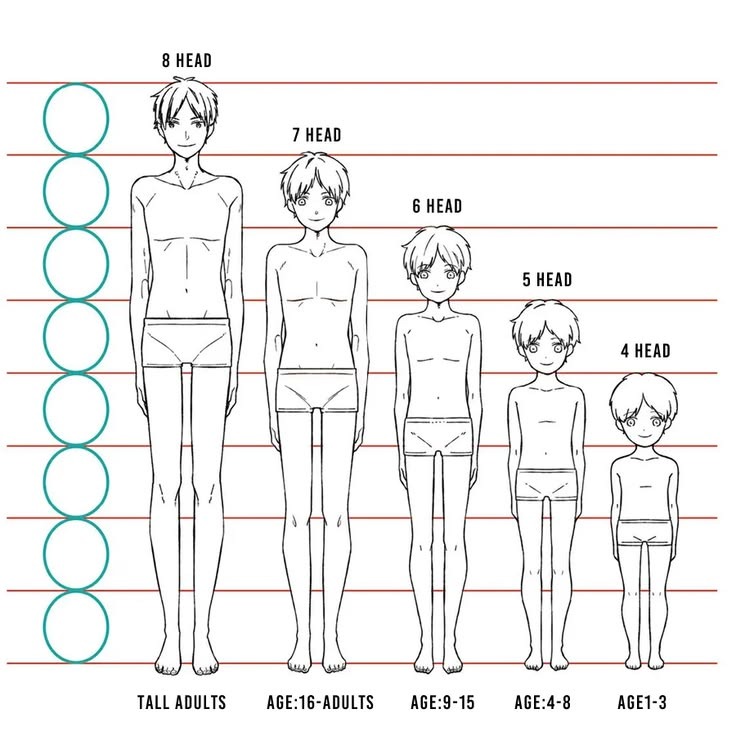
Mascot-like characters let you practice overall proportions before you take on a detailed human face. Their silhouettes carry much of what makes them recognizable.
Totoro: watch the body width
Totoro from My Neighbor Totoro suits a rounded silhouette study. The facial details take up little space, so body width and ear placement decide the likeness.
Pikachu: ears and tail
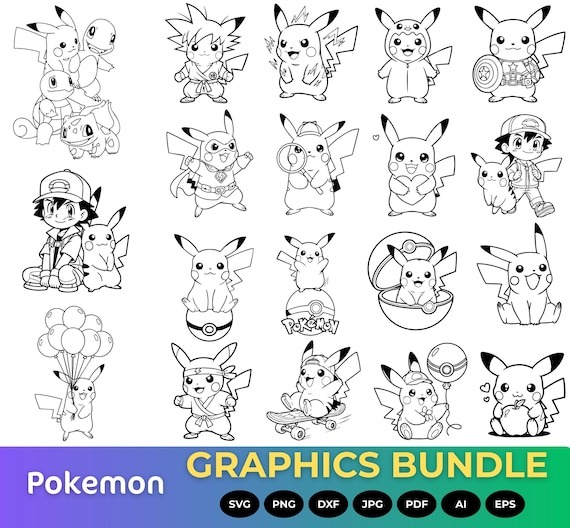
Pikachu from Pokémon pairs a rounded body with sharp details. The cheek circles identify the face. Ear length and angle change the expression, and the tail changes the contour behind it, so you'll want a reference that shows both.
Pochita: the chainsaw snout
Pochita from Chainsaw Man has a small, low, rounded body and a saw-shaped snout that projects from the front. The pull cord and handle-like elements add a few hard edges to the soft outline.
The saw brings mechanical edges that Totoro and Pikachu don't have. Try Pochita next if you like rounded characters and want to place a prop accurately.
Try simplified human faces: Saitama, Shin-chan and Anya
Saitama: placement does the work
Saitama from One-Punch Man is easy to draw in his simplified comedic form. His bald, egg-shaped head removes the hairstyle problem, and a few marks set the eyes and mouth.
With so few features, placement matters. Move the eyes or change their spacing and the expression shifts noticeably.
Shin-chan: keep the wide face
Shinnosuke Nohara from Crayon Shin-chan has a broad, heavily stylized face, strong eyebrows and compact features. Don't default to an ordinary anime head shape, because it makes the sketch look generic.
Keep the intentional width and the spacing of the features, using very few lines.
Anya: eyes and ornaments
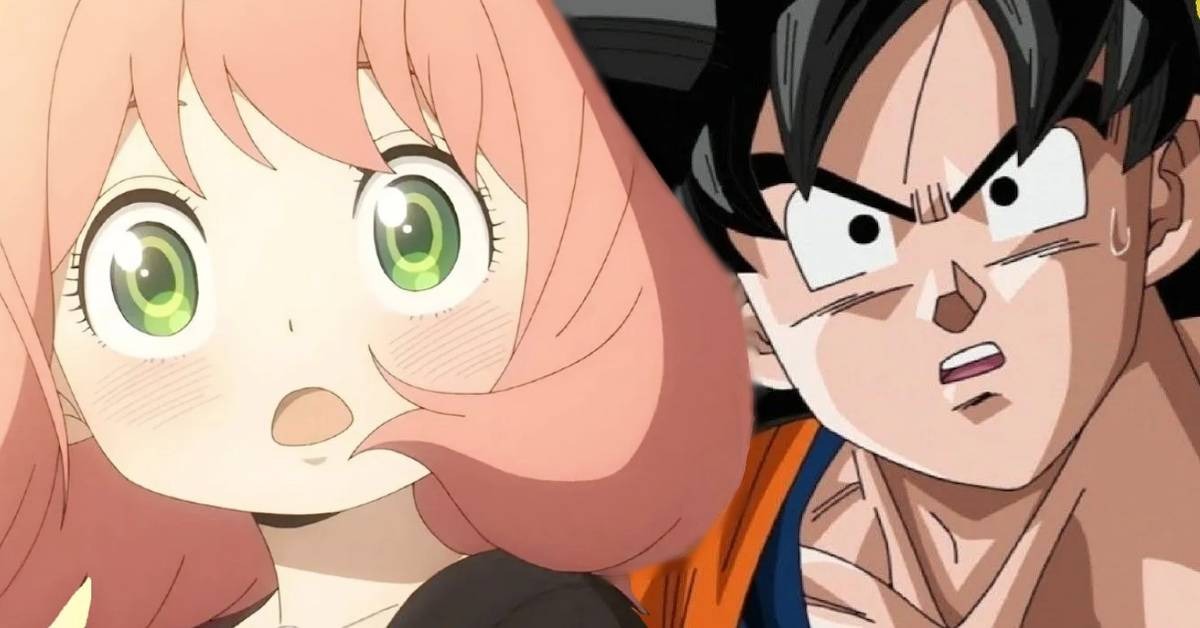
Anya Forger from Spy x Family adds large eyes, pink hair and distinctive side ornaments. The rounded head is a solid base, but the eyes and ornaments need careful alignment.
A beginner on their first day of anime drawing wrote in an r/learntodraw discussion, “Drawing the head shape is so hard, especially when your guide circle is really crooked.”
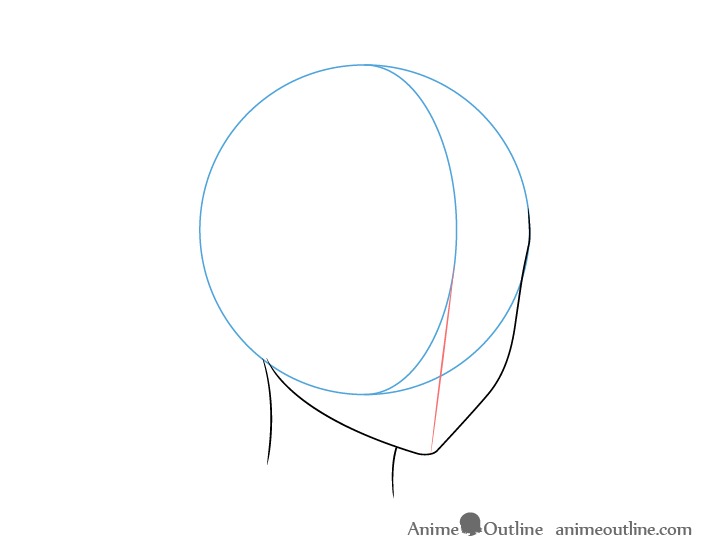
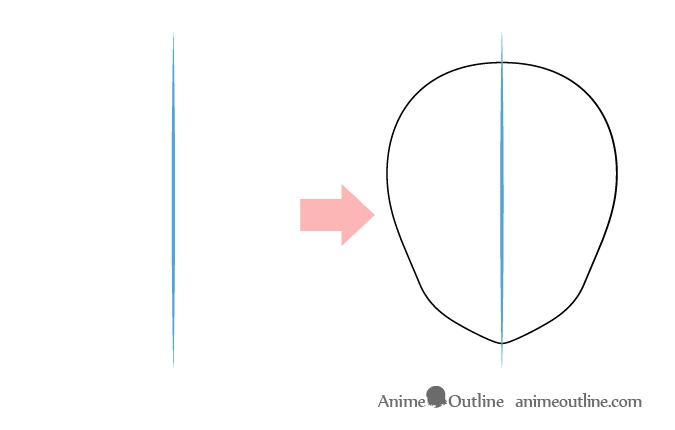
On a front-facing Anya sketch, a light vertical centerline and an eye guide give you reference points for placing the eyes and ornaments. Shift the guides to match your design.
SketchOk's Anya face tutorial uses 12 illustrated steps, beginning with a circle and feature-placement guides.
Want a favorite hero instead? Choose a simpler view
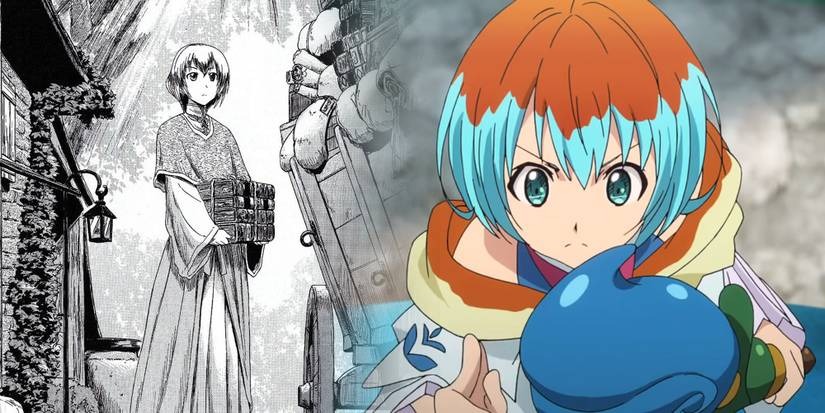
Use a straight-on portrait for these four:
- Luffy (One Piece): the straw hat, grin and small scar beneath one eye.
- Naruto: the forehead protector, grouped spiky hair and whisker-like cheek marks.
- L (Death Note): the shaggy dark hair and distinctive eyes.
- Usagi Tsukino (Sailor Moon): the paired hair buns and long pigtails.
Draw your chosen character in five passes
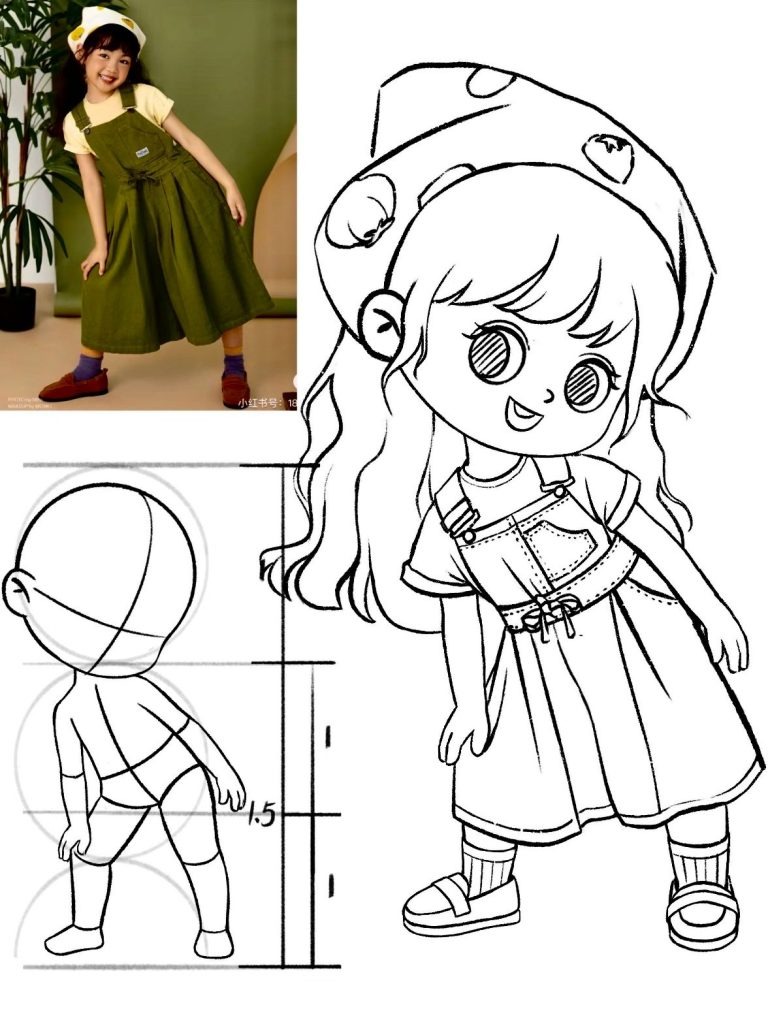
Pick one clear reference. Build the sketch with light marks you can adjust as the big shapes come together. AnimeOutline's beginner guidance also favors light construction before darker lines. Use a pencil and eraser, or follow the same steps in a digital sketch.
- Place the big shapes. Establish the overall space the subject takes up. A seated Totoro begins with a broad oval. A simplified Saitama portrait begins with an egg-shaped head. Leave fur, eyelashes and costume trim for later.
- Place the key parts. Mark where the ears, belly or facial features sit on the main shape. On a human face, add a light centerline and an eye guide to show which way the head faces.
- Add key features. Draw the few details that identify the character, such as Luffy's straw hat.
- Compare and adjust. While the marks are light, compare the widths, heights and positions of the big shapes with the reference. Fix a misplaced shape before you strengthen the contour.
- Finish selectively. Darken the useful outlines, soften or erase the guides, and add small details where they help identify the character. You don't need color or elaborate shading.
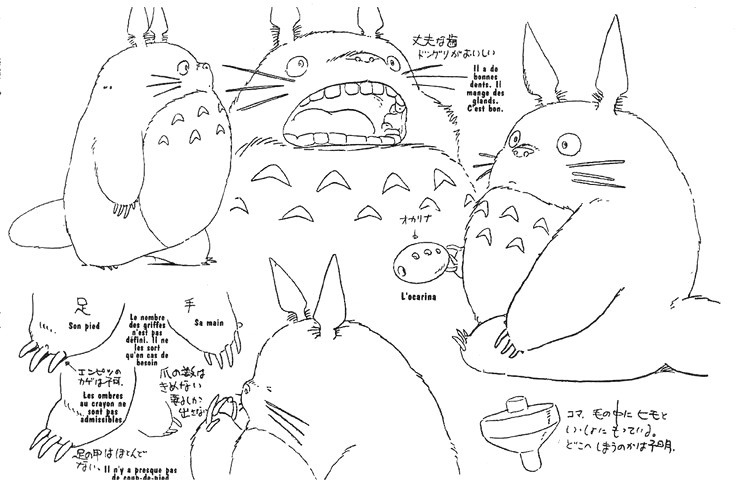
If your first oval for a seated Totoro comes out tall and narrow, give it more width while the line is still faint. Then position the ears near the top and set a broad belly shape inside the body. Once that outline holds together, add the small eyes, nose and mouth. The sketch stays readable with very little texture.
If it doesn't look like the character, look at three things
A drawing can contain the right features and still feel unlike its reference.
In an r/ArtistLounge discussion, a fan artist wrote, “There are a lot of characters I love and I would love to draw them but whenever I try, it feels like I struggle to capture their likeness.”
| Problem | What you see | Fix |
|---|---|---|
| Silhouette or proportions | Totoro's body looks too narrow. Pikachu's ears look too short. | Widen the body. Lengthen the ears. |
| Key feature placement | Anya's ornaments sit awkwardly. Luffy's hat looks displaced. | Move the ornaments or the hat to where the reference puts them. |
| Hair mass or head direction | Naruto's hair loses its broad spiky contour, or a turned face looks uneven. | Redraw the hair as one broad spiky outline. Recheck which way the head turns. |
In a Pikachu sketch with bright cheek circles but ears that are much too short, another facial detail won't change the silhouette. Lengthening and angling the ears closer to the reference fixes the visible difference.
Try a second sketch without copying every line
A reference trains your eye. Drawing from memory tests what you understood.
A hobby artist wrote in an r/learntodraw discussion, “My biggest issue is that I rely too much on references without really understanding them.”
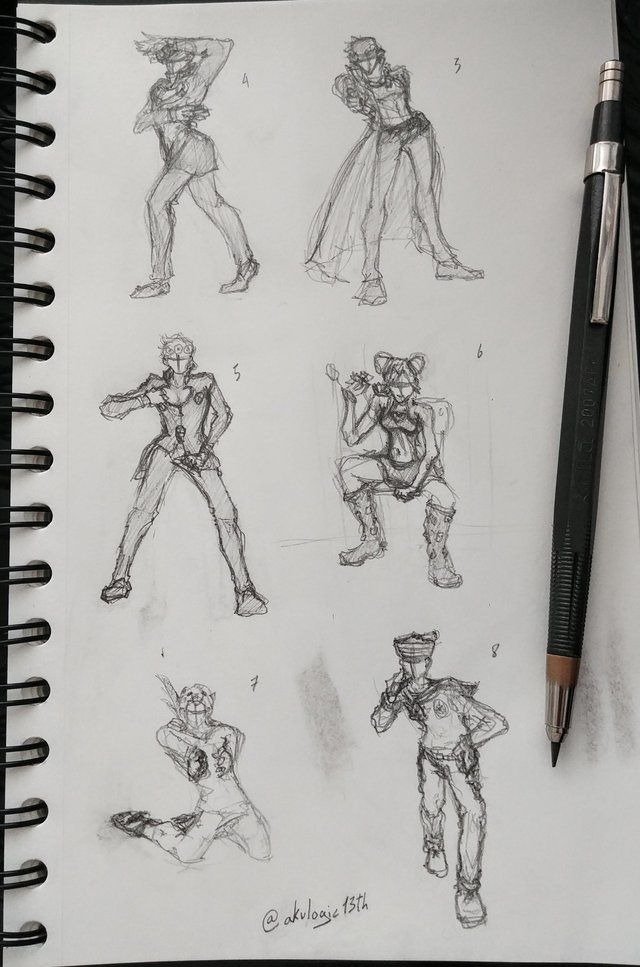
Put the reference and first drawing aside and try the same simple pose again from memory. Then compare the two attempts, focusing on the biggest shapes and a few key features. The comparison shows which forms you remember and which ones you'll want to look at again.
Redraw Pikachu from memory and the dark-tipped ears come back fast. The tail's position against the body doesn't. Saitama's oval head sticks, but his sparse eye and mouth marks drift. Those gaps tell you what to study next.
For your next subject, add one challenge at a time: Totoro, then Pikachu, or Saitama's face, then Anya's.