If you're handing a scene to another artist, write a flexible page-and-panel script that states each drawable moment, labels dialogue and sound, and flags the visual details the story can't lose. If you're drawing it yourself and think in pictures, a rough name or hybrid outline is enough, but run one short scene through a thumbnail check before finished art either way.
A good manga script lets an illustrator draw the story without guessing what matters: you supply the events, the dialogue, and the visual details that can't change, and the artist turns them into a readable sequence of pictures. A plain text editor is all you need. The hard part is choosing which moments deserve a panel, deciding how much to direct, and catching problems while they're still easy to revise.
What a manga script needs
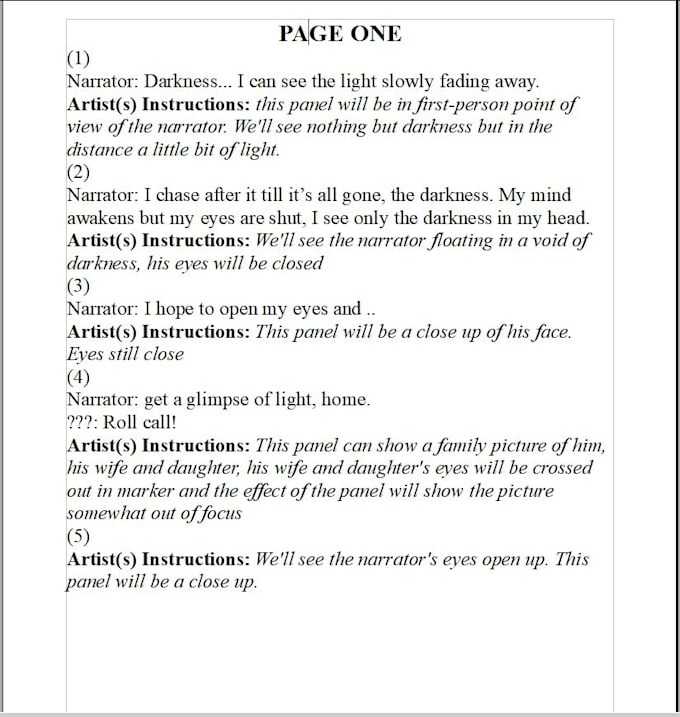
A manga script names the page, the panel, the image the reader should see, and any words or sounds that go with it. A scene goal and a few reference notes help the artist understand the sequence without long descriptions in every panel.
- Page and panel numbers: Give every image a place in the document.
- Art description: State the visible action, characters, objects, or changes that matter.
- Dialogue: Name the speaker and give the exact words to be lettered.
- Caption or narration: Label text that appears outside ordinary speech.
- Sound effect (SFX): Name any sound the finished artwork must convey.
A letterer is the person who places dialogue, captions, and other written elements into the comic. Clear labels help the artist and letterer tell text from drawing instructions.
Here is a blank skeleton for a single scene. Leave out any field a panel doesn't use.
PROJECT:
CHAPTER:
FORMAT / READING ORDER:
SCENE GOAL:
SETTING / REFERENCES:

PAGE 1

PANEL 1
ART:
SPEAKER NAME: dialogue
CAPTION:
SFX:

PANEL 2
ART:
SPEAKER NAME: dialogue
CAPTION:
SFX:

CONTINUITY NOTES: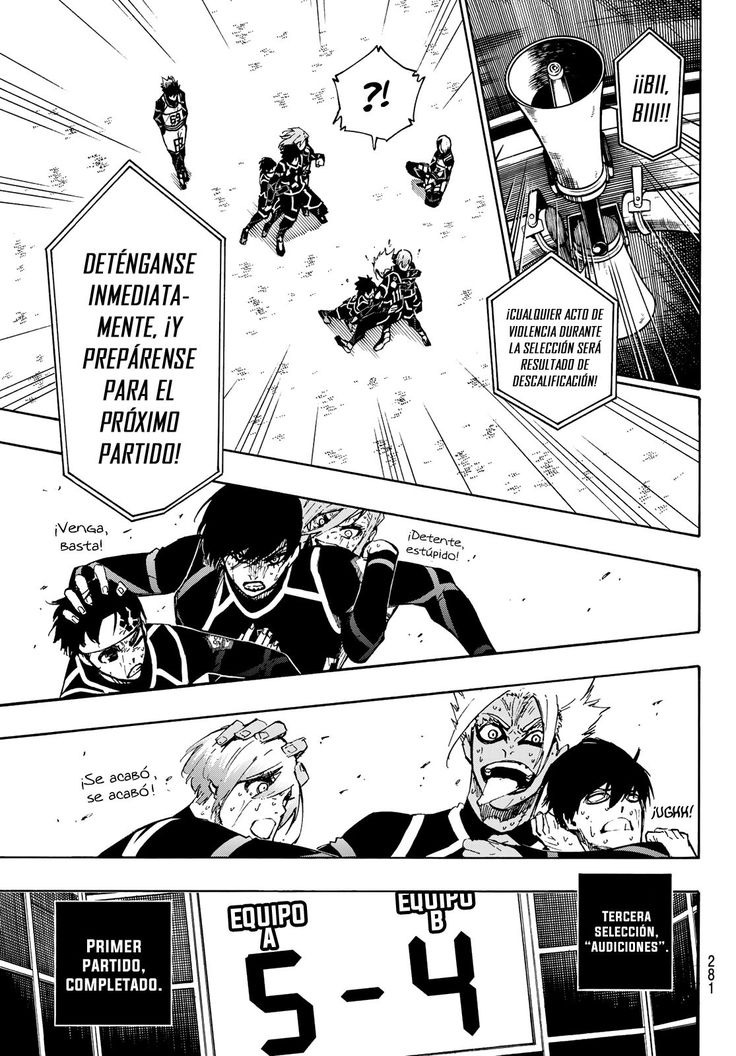
A silent panel needs no dialogue line. A panel with an inscription gets a TEXT ON OBJECT field. Replace SPEAKER NAME with the speaker's actual name so the script stays unambiguous when several characters appear together.
Numbered instructions also make revisions easier to discuss. An artist can ask what should show in Page 2, Panel 1, and you both know which image is under discussion.
The Dark Horse script guide gives a two-page publisher example using numbered panels and labels including CAP for captions, SFX for sound effects, and OP for off-panel speech.
If a publisher or artist gives you their own format, use theirs.
Choose a full script, page breakdown, or rough name
Write a detailed script when you're communicating a scene to another artist. If you draw your own manga, you can solve the scene visually from the start.
| Planning method | Useful situation | What the artist receives | Trade-off |
|---|---|---|---|
| Full page-and-panel script | Writer and illustrator work separately | Numbered panels, visual beats, dialogue, and necessary directions | Panel details change when the layout changes |
| Page breakdown | The artist controls panel composition | Story events assigned to pages, with flexible panel division | More of the sequencing work stays with the artist |
| Rough manga name | Visual-first creator or storyboard-led team | Sketches showing proposed panels, dialogue, and reading flow | Important details need written clarification |
| Hybrid outline and thumbnails | Solo creator or collaborative team developing scenes together | Short written beats alongside rough layouts | You and your artist need an agreed working version |
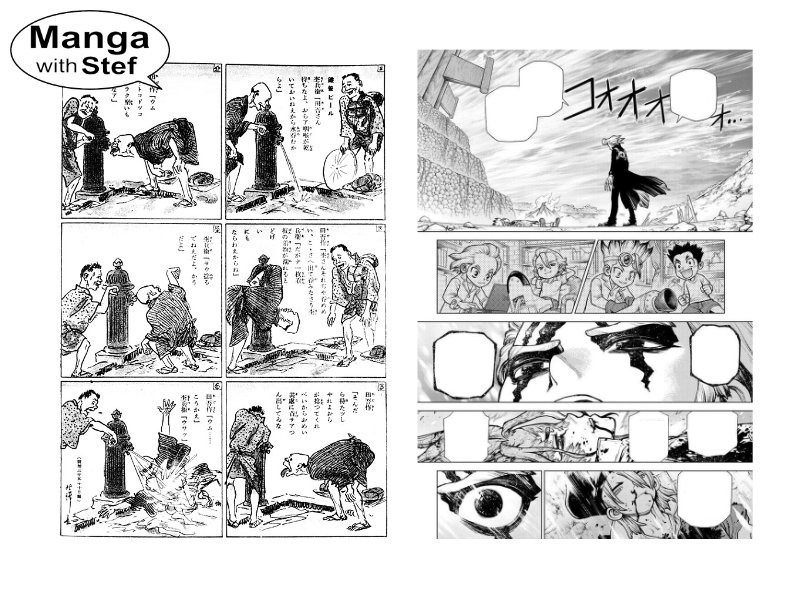
A manga name (ネーム) is a rough storyboard. It uses crude figures, speech balloons, arrows, and rough panel borders to set the visual progression. You don't need to draw well to make one.
Manga and comics writer Sean Michael Wilson has described preparing page descriptions or more detailed panel instructions, depending on the work and collaboration, including projects with artist Akiko Shimojima.

In Ichi the Witch, the production process described in Shueisha's creator interviews involves storyboards and explanatory references passed between story creator Osamu Nishi and artist Shiro Usazaki. Planning there doesn't rely only on a detailed prose script.
Settle reading direction at the start too. Traditional right-to-left manga pages, left-to-right comics, and vertical-scroll work each need different panel and lettering arrangements, so specify the format for your actual project.
Turn story beats into panels
A prose scene can pack several events into one sentence. A manga script picks the moments the artist will draw and orders them the way the reader needs to meet them.
Here is an original fictional scene:
After school, Maya is alone in a classroom. A folded note marked with a triangle slips beneath the door. She picks it up and reads a warning about Locker 12. Something clicks behind her. When she turns, the locker bears the same mark.
The prose gives the event, but an illustrator needs a sequence. This breakdown shows the changes that matter.
| Story beat | Drawable moment | What the reader learns |
|---|---|---|
| Maya is alone after school | Maya packs her bag in an otherwise empty classroom | Where the scene takes place |
| The note arrives | A folded paper appears beneath the door, its triangle visible | The first clue |
| Maya reads the warning | The unfolded note shows the words about Locker 12 | What she has been told |
| Something clicks behind her | A locker latch moves while Maya is still facing the door | The warning has an immediate consequence |
The exact arrangement changes with the available page space. What matters is the difference between a change the reader must see and a movement in between that can be implied.
In a discussion on r/MangakaStudio, a writer who wanted to collaborate with an artist wrote, “I wanted to work with someone, thank you for sharing, I don’t know exactly how to make a manga type script.”
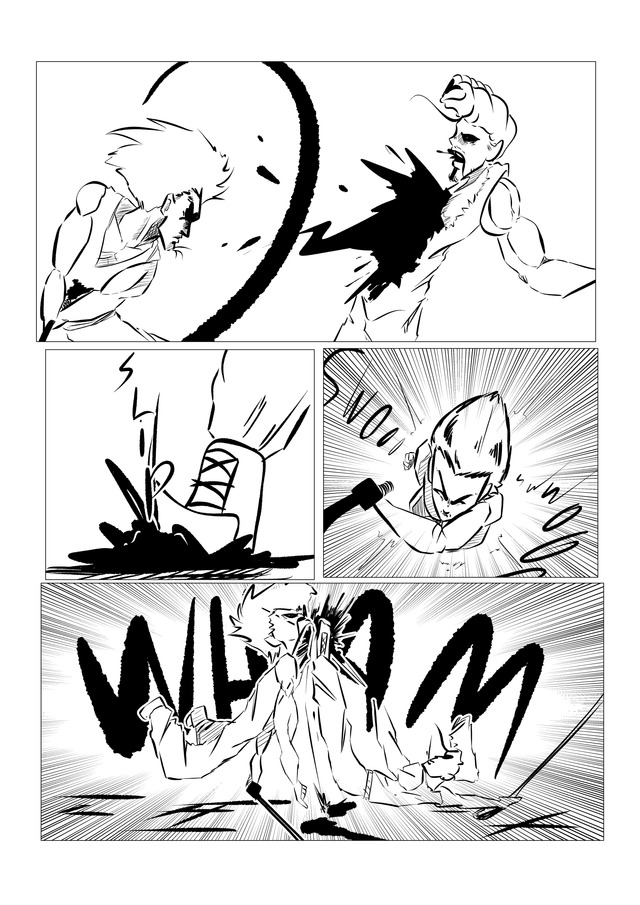
One panel can suggest movement. A hand reaching for the note implies Maya is about to pick it up; a paper already in her hand shows the result. The script doesn't need a panel for every fraction of a movement.
The same goes for emotion. “Maya is terrified” tells the artist how the scene should feel. Write something visible instead: her hand tightening around the note or her shoulders going rigid when the latch clicks.
Page placement decides what the reader knows and when. In the full scene below, the folded note appears before a page turn, and the written warning becomes readable on the next page. That choice shapes how the reveal lands.
What the artist must show and what they decide

The artist needs to know who is present, where important objects are, what changes between panels, and which visual details carry the story.
In Maya's scene, the triangle on the folded note and its matching mark on Locker 12 are essential. A close-up of either mark is a staging choice. When the planned reveal depends on what the reader can see, specify the framing.
Mark the requirements as essential and leave negotiable angles and panel proportions flexible. Cut camera directions the story doesn't need, and keep the clue and continuity intact.
Place dialogue, captions, and sound effects
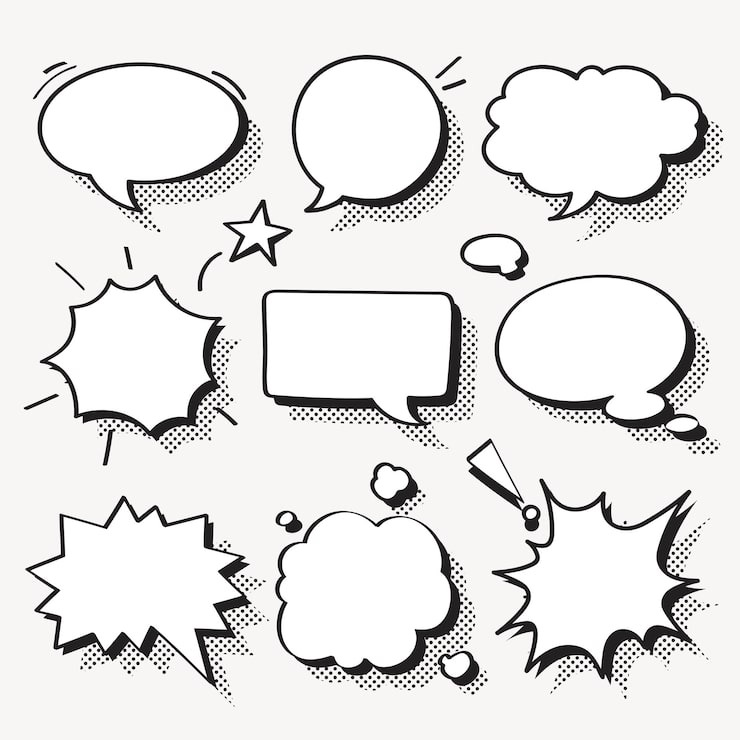
Put every spoken line, caption, and sound effect under the panel where it appears. The speaker's name labels dialogue. A separate label marks narration, writing on an object, or a sound that belongs to the scene.
In Maya's classroom sequence, the locker sound is written with its source stated:
PAGE 2

PANEL 2
ART:
Maya stiffens while facing the entrance.
Behind her, Locker 12 is visible.

SFX: CLICK
SOURCE: Locker 12's latch.
The latch makes the sound. The artist decides how much of the mechanism to show, as long as the image and sound belong to the same event.
An off-panel speech label tells the illustrator and letterer that someone is speaking from outside the picture. A caption marks text that isn't ordinary spoken dialogue, such as narration.
A first-time comic writer on r/ComicWriting asked, “If it's information that needs to get across, do I just write the dialogue and figure out the panel passing later? Or is that something I should be thinking about while I write panels?”
Word count matters at this stage because dialogue balloons use the same panel space as the drawing.
In an early version of Maya's scene, she says, “Someone put a warning under the door telling me not to open locker twelve. I don't understand why anyone would leave this for me.” That line repeats information already visible in the note.
In the final script, the reader sees the warning on the note, so Maya doesn't read it aloud. That leaves more room for her expression and the classroom around her.
Judge dialogue length against the actual lettering, page size, artwork, and reading path. Dark Horse gives approximate word limits for its publisher format, but those numbers aren't a universal manga allowance.
Worked example: an artist-ready script
The first script for the classroom scene covers two story pages and is ready for a thumbnail review.
A weak first description
Start with the scene above. An overloaded first attempt reads:
ART: Maya notices a note slide under the door, picks it up, unfolds it, reads the warning, hears a locker click, and turns to see the matching symbol.
Those events happen at different moments. The reader needs the warning before the click, and the matching mark must become meaningful only after the first triangle has been established.
The initial two-page script
PROJECT: Untitled Classroom Scene
TYPE: Original fictional teaching example
SCRIPT VERSION: 1, for thumbnail review
FORMAT: Page-based, left-to-right
SCENE GOAL:
Maya discovers a warning connected to a
locker in her otherwise empty classroom.

SETTING:
After school. The entrance door is at the
front of the classroom. A row of lockers
stands along the rear wall.

ESSENTIAL STORY INFORMATION:
A small triangle appears on the outside
of the folded note. An identical triangle
is scratched beside Locker 12's number.
The reader should discover the matching
locker mark only after reading the warning.

FLEXIBLE ART DIRECTION:
The artist may choose camera angles, panel
proportions, and poses that preserve the
required clues and reveal sequence.

PAGE 1

PANEL 1
ART:
Maya sits near the classroom door, packing
her belongings into a bag. The classroom
is empty. Lockers stand along the rear wall.

PANEL 2
ART:
A folded square of paper slides beneath
the classroom door. A small inked triangle
is visible on the exposed outer fold.

SFX: SCRITCH
SOURCE: Paper sliding against the floor.

PANEL 3
ART:
Maya kneels beside the door and picks up
the folded paper. The triangle remains
visible on its outside.

MAYA: Who left this?

PAGE TURN

PAGE 2

PANEL 1
ART:
Maya has unfolded the note. The written
message is clearly readable.

TEXT ON NOTE:
DON'T OPEN LOCKER 12.

PANEL 2
ART:
Maya stiffens, still facing the entrance.
Behind her, Locker 12 is visible. A small
triangle is scratched beside its number,
matching the mark on the note.

SFX: CLICK
SOURCE: Locker 12's latch.

PANEL 3
ART:
Maya turns toward Locker 12. Its door has
opened a crack. She holds the unfolded
note in one hand.

MAYA (quietly): No.
Why these directions are drawable
Page 1 establishes the classroom and the first triangle, and Maya finds the object before the warning inside it becomes visible. The page turn separates that discovery from the message itself. The warning appears at the beginning of Page 2, and the next panel connects it to Locker 12 with the latch sound and the matching triangle.
The artist can show the note over Maya's shoulder or fill most of the panel with its handwritten message. Either way, the required words come across.
This is a first draft, and it has a flaw the thumbnail check will catch: Page 1, Panel 1 doesn't yet keep the locker mark out of sight.
Test the script against rough manga thumbnails
Rough thumbnails test whether the script's pictures arrive in the order you intended. Simple rectangles, stick figures, speech balloons, and just enough detail to recognize the important objects are enough.
Thumbnails expose problems that are hard to spot in text alone: a character moves between panels without a clear transition, a prop disappears, dialogue crowds out a facial expression, or a clue becomes visible too early.
A creator on r/Mangamakers, comparing text-first and visual-first planning, wrote, “But this have me facing some problems, since the first method make the pacing too slow, and dumped with dialogue; and the second being more scene-composed but more superficial in dialogue and characterization.”
The locker clue appears too early
The illustrator draws the first panel of Maya's classroom with the rear lockers clearly visible. One locker shows the number 12 and a little triangle beside it.
Panel 1 only said that lockers stand along the rear wall. It never said the marks had to stay unreadable, so the artist drew the triangle beside Locker 12 in plain view. That breaks the script's essential note, which requires the matching mark to be revealed only after the warning.
The correction belongs in Page 1, Panel 1. It keeps the classroom layout and specifies what the reader can recognize.
The revised panel instruction
PAGE 1, PANEL 1
ART:
Maya sits near the classroom door, packing
her belongings into a bag. The classroom
is empty. A row of lockers stands along
the rear wall, but the locker numbers and
small identifying marks cannot be read
from this view.
The artist can keep the same broad establishing view or find another composition. What matters is that the locker clue stays unreadable until its reveal on Page 2.
The Clip Studio plot-to-storyboard tutorial demonstrates a related progression from story planning into rough manga layouts. Thumbnail reviews find visual and sequencing problems before finished drawing.
Handoff checklist: what to send the artist
A useful handoff makes the current script easy to identify and your artist's responsibilities clear. Start with one sample scene so gaps and conflicting expectations show up before you commit to a full chapter.
For a first handoff, include:
- The current script: A clearly named file with a version identifier and consistent page and panel references.
- Project format: The reading direction and any specific requirements for the pages.
- References: Character appearances, setting information, and recurring props that affect continuity.
- Essential visual details: Clues, object positions, reveals, and actions the story requires.
- Flexible decisions: Composition and staging choices the illustrator may adapt.
- A focused feedback request: Ask which panels forced them to guess, or crammed too much into too little space.
For Maya's scene, the handoff includes the two-page script, the reference describing the matching triangles, and the revised Page 1 establishing-panel instruction.
If the artist finds another unclear instruction, point to its panel number and record the agreed change in the working version.