For a first manga or one-shot, make a short outline connecting your main character's goal, obstacles, turning point, and ending before committing to finished pages. If the story takes shape while you draw, use rough thumbnails to find the missing beats. Once the major events connect and the outcome makes sense, move on to a script or storyboard.
What belongs in a manga story outline?
A manga story outline is a short record of what happens, why the major events matter, and how the story changes. It gives you enough information to follow the plot before deciding how individual pages will look.
That record can be a list of sentences. For example:
Mira hides the cracked lantern lens. Her attempt to replace it fails, leaving her to decide whether to tell the other volunteers.
This is a compact outline entry. It describes the events and the decision they create.
A creator planning a one-shot asked on r/MangakaStudio, “do i need to write everything like if it was a book before starting drawing?” A short list of events is enough, even if the finished manga tells a richer story.
Different planning documents answer different questions:
| Document | Main question | Typical contents | Not decided yet |
|---|---|---|---|
| Logline | What's the main idea? | Brief premise | How the story unfolds |
| Synopsis | What's the larger story? | Characters, situation, major developments | Scene-by-scene order |
| Outline | What happens, and in what order? | Story beats, choices, turning points, outcome | How each page is drawn |
| Script | What happens in a scene or page? | Actions, dialogue, sometimes panel instructions | The final art |
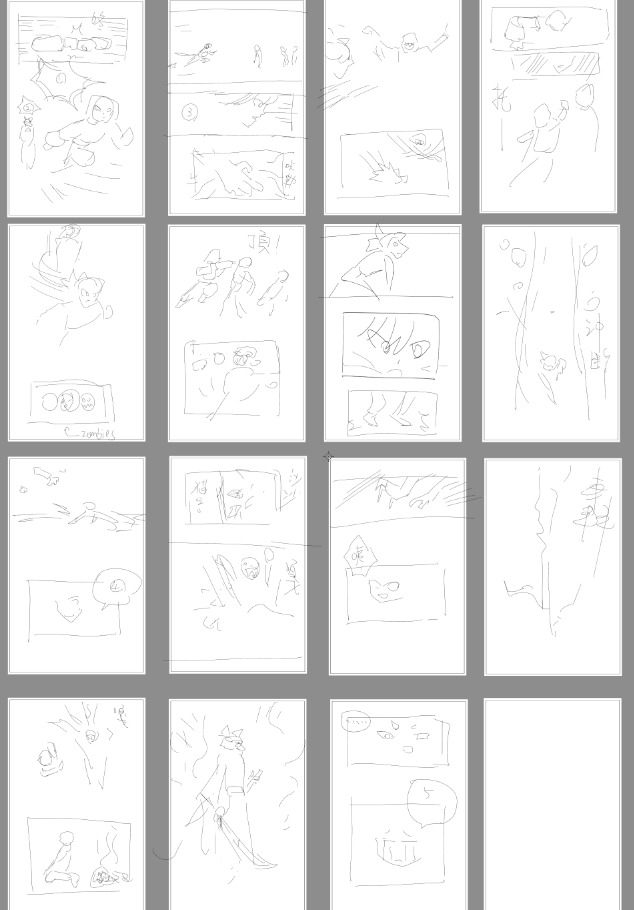
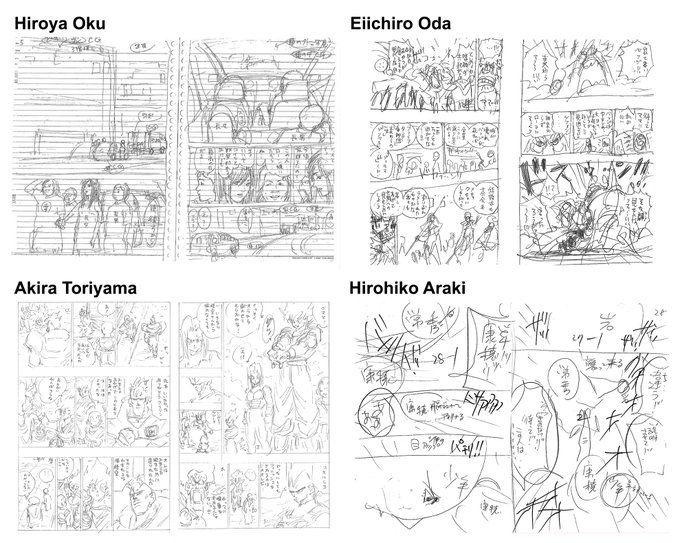
| Rough storyboard (nemu or name) | How will readers see the story? | Thumbnails for staging, pacing, and dialogue placement | The finished art |
In VIZ Media's manga pitch guidance, a series outline can be a simple bullet list tracking milestones and character development across chapters or volumes.
A note about Mira concealing her mistake advances the story. A note specifying a close-up panel and exact speech-balloon text belongs to detailed scripting or visual planning.
Start with the strongest piece of your idea
You can begin with a character, a scene you want to draw, or an ending you already understand.
A short manga about Mira and a neighborhood festival could start from any of three points:
- Character first: Mira wants the festival organizer to see her as capable. That desire drives her decisions.
- Scene first: You can picture a damaged lantern glowing again during the festival. The story needs events that make this moment possible and meaningful.
- Ending first: Mira admits a mistake and accepts help. The opening must establish why telling the truth is difficult for her.
Manga artist Naoko Hara demonstrates a scene-first approach in a MediBang Paint tutorial. She builds a story around the final scene: a lost dog, already returned to its original owner, goes back to the man who cared for it. Then she develops the events leading up to that scene.
If you think in pictures, use loose sketches to find how those events connect.
Give the story a goal, an obstacle, and a meaningful change
A story becomes easier to plan when the main character wants something that events complicate.
Mira wants to impress the festival organizer by delivering a beautiful lantern. While adjusting its display, she accidentally cracks the colored lens. Her fear of disappointing the organizer now influences every choice she makes.
She hides the damage and tries to fix it privately. The attempt makes her situation harder, because she needs other people's help but has not told them what happened.
Here is a working premise:
When Mira cracks the festival lantern's lens while trying to impress the organizer, she hides her mistake until a failed replacement forces her to choose between looking capable and asking for help.
The premise sets the direction: Mira starts out protecting her reputation and can end up cooperating with the team.
Clip Studio's eight-page romance manga workshop builds a short story around relationship stakes, obstacles, and an intended outcome.
Write one working premise that names the character, their goal, the complication, and the change the story moves toward. For a quieter manga, that change can be a discovery or a shift in a relationship.
Connect scattered ideas into a chain of story beats
The middle of a manga story becomes easier to build when each important event has a reason to appear and changes something that follows.
A creator on r/Mangamakers described being stuck: “but idk how to link them together, how to add the small details and minor events in the middle”. Start the repair by asking what each planned event changes.
A story beat is a shift in a character's circumstances, knowledge, emotions, relationships, or choices. One beat can take a moment or several scenes.
Seven rough notes, before the connections
- A lantern glows beautifully at the festival.
- Mira practices a speech for the organizer.
- The lens breaks.
- Mira visits a closed supply store.
- Two volunteers argue about colors.
- Mira tells someone what happened.
- The lantern lights up differently.
Each note works as an image. Together they raise questions: why does the closed store matter, what makes Mira confess, and why is the finished lantern different?
Repair the links between events
| Original rough note | Missing connection | Revised story beat | What the beat changes or enables |
|---|---|---|---|
| Beautiful lantern at festival | Its meaning is unclear | Mira prepares a special lantern to impress the organizer | Her wish to perfect it creates the setup for a mistake |
| Lens breaks | Damage has no effect on her decisions | She cracks the lens and hides it | She must attempt a private repair |
| Closed supply store | No reason for the visit | She secretly seeks a replacement, but the store is closed | Her shortcut fails and the problem remains |
| Mira tells someone | The confession has no turning point | As the festival approaches, she admits the damage to another volunteer | They can look for a solution together |
| Lantern glows differently | No link to the conflict | They improvise a simpler lantern for the festival | Its changed appearance reflects their shared effort |
The closed store now follows from Mira's decision to hide the damage, and it removes her hope of fixing everything without help, which leads to her confession.
The finished short outline
- Mira prepares a special lantern for the festival because she wants to impress the organizer.
- She cracks its colored lens, hides the damage, and decides to replace it in secret.
- At the supply store, she finds the shop closed and returns with the problem unresolved.
- With the festival approaching, she tells another volunteer what happened and asks for help.
- They improvise a simpler lantern that still lights the celebration. Mira has chosen cooperation over appearances.
To test other ideas, use three questions:
| Question | What it reveals |
|---|---|
| Why does this event follow? | Its setup, cause, or reason for being there |
| What changes here? | New pressure, knowledge, emotion, relationship, or choice |
| What becomes possible or necessary next? | What the beat sets up |
If a beat has no good answer, move it, give it a setup, or change its purpose.
Shape the beats into a beginning, middle, and ending
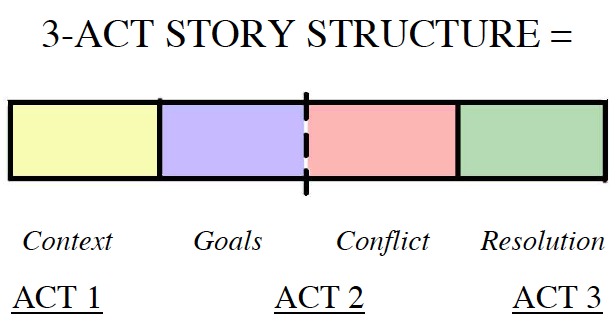
In Mira's outline, the festival preparation and her wish to impress form the beginning. The cracked lens, concealment, and failed replacement form the middle. Her confession is the turning point, and the improvised lantern makes her change visible in the ending. Beginning, middle, and ending are editing labels. Three-act structure, kishōtenketsu, and episodic storytelling divide the same material in other ways.
Cut or combine scenes before the story grows too large
Once the main story is clear, decide which extra scenes deserve space. Keep a scene that changes the situation, reveals something essential, or makes a later moment possible; combine scenes that perform the same job.
A one-shot creator on r/MangakaStudio wrote, “The expositive intro (8 pages) might need to be downscaled to a single page.” Mira's outline gets the same treatment:
| Scene idea | Decision | Reason | Result in Mira's outline |
|---|---|---|---|
| Mira rehearses a speech | Combine | Her desire for approval is already part of the setup | A brief rehearsal moment can appear in the opening |
| Volunteers argue about colors | Cut or save | The argument adds no necessary change in this version | Remove the separate dispute |
| She visits the closed store | Keep | The failed replacement pushes her toward confession | Retain it between concealment and telling another volunteer |
The color argument would earn a place in another version if a disagreement about materials led the team to the new lantern design.
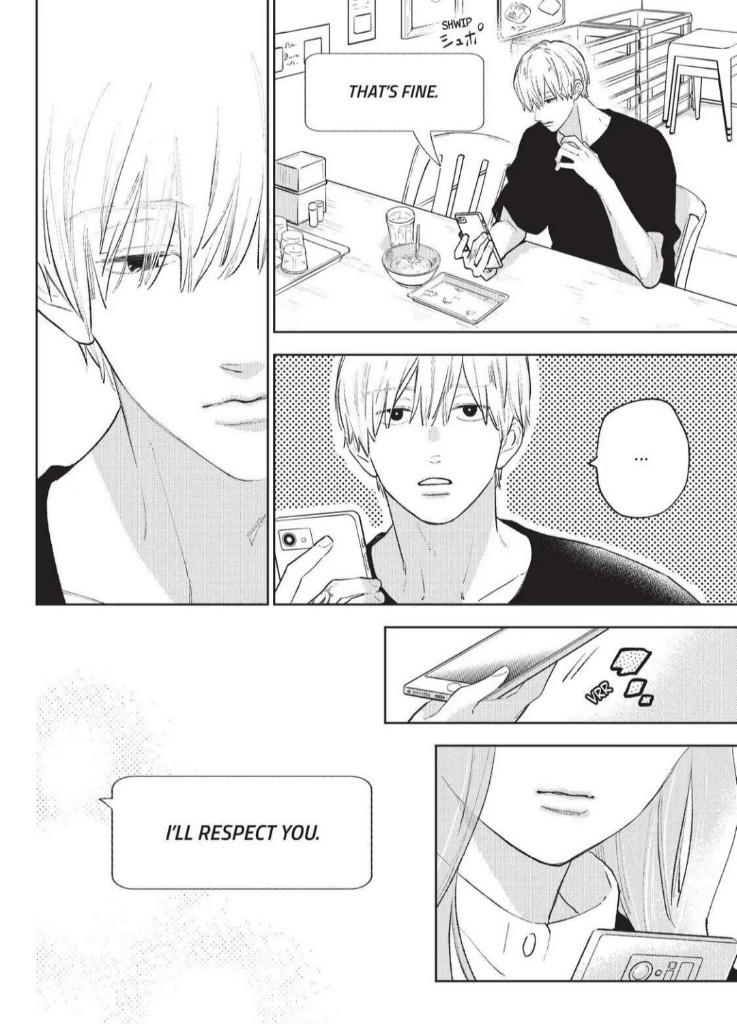
Naoko Hara's MediBang story tutorial makes a comparable cut: it drops side trips involving neighbors and a pet-store clerk so the dog's return to the man who cared for it stays the focus.
A quiet pause also deserves room when it builds trust, gives readers time to take in a change, or gives an important image the pace it needs.
If you have a fixed page limit, make a rough allowance for the opening, main turning point, and ending before you plan individual panels. When a lengthy introduction leaves too little space for the main change, reduce or combine its scenes. Too Corporation's plot guide recommends rough page allocation to keep the story within its intended length.
Mark each extra scene keep, combine, or cut/save, then update the outline.
How detailed should a manga outline be?
Use enough detail to understand the important events and decisions. Expand the notes only where a sequence, motivation, or transition remains uncertain.
A brief Mira beat reads:
Mira tells another volunteer and asks for help.
If the choice feels unearned, an expanded version gives it context:
After finding the supply store closed, Mira considers concealing the damage until the festival starts. Another volunteer asks why the lantern is missing its lens. Mira admits what she did and asks whether they can change the design together.
- Brief beat list: Useful when a short story's sequence is clear and you can discover details while drawing.
- Expanded scene sequence: Useful when motivations, transitions, mystery clues, or collaboration need more precise notes.
- Chapter or arc outline: Useful for a longer serialized manga where progression and continuity span multiple installments.
A novice writer discussing an ambitious manga project wrote on r/ComicWriting, “Really, it feels a bit overwhelming.” If your outline feels like that, add detail only where a missing decision is blocking you.
Stop expanding the outline when further sentences no longer clarify an event, character choice, relationship, or unresolved transition.
Review the outline, then move to a script or storyboard
A usable outline lets someone follow the main story without you explaining the missing links afterward.
Run the outline through these six questions:
- Main character and want: Is it clear whose story this is and what matters to that character?
- Obstacle or tension: Does something complicate the starting situation?
- Connected events: Does each important event follow from a decision, a cause, a discovery, or a contrast?
- Turning point: Does a choice, realization, or event change what happens next?
- Ending or meaningful change: Does the result connect with what the story set up?
- Length: Can the planned events fit the short project you intend to make?
When an answer is unclear, find the exact missing link. In Mira's story, a leap from the cracked lens straight to a happy team repair would leave her confession without a convincing role.
Give the outline to someone who has not heard your explanation and ask them to describe the main change and how the ending follows. Wherever they get confused, a cause or motivation is missing from the outline.
Choose the next stage based on what is still uncertain:
- Actions or dialogue: Turn the outline into a manga script to coordinate what characters do and say.
- Visual pacing or staging: Test the outline with rough manga storyboards, called nemu or name, to explore how events fit on pages.
Some creators place dialogue on the thumbnails; others keep it in a separate script.